
The Real Pros And Cons Of Moving To Tucson, AZ
If you are researching the pros and cons of moving to Tucson, AZ, you have probably seen the standard list: sunshine, mountains, lower home prices, intense summer heat, a tough job market, and scorpions. None of that is wrong. It is just incomplete.
The real experience of relocating to Tucson, AZ depends heavily on where you are coming from. A move from Southern California, Seattle, Chicago, New York, or South Florida comes with different expectations around housing, traffic, culture, infrastructure, cost, and pace of life. Tucson can feel like a major lifestyle upgrade in some ways and a serious adjustment in others.
This is the honest local version of the pros and cons of moving to Tucson, AZ, including the details that tend to surprise people after they have already made the move.
Why The Pros And Cons Of Moving To Tucson, AZ Are Personal
There is no universal answer to whether Tucson is right for you. The same quality can land completely differently depending on your starting point. Someone leaving a 90-minute commute and a nonstop big-city pace may find Tucson peaceful, manageable, and refreshing. Someone used to highly polished luxury retail, newer infrastructure, and dense modern development may find parts of the city dated.
That is why a useful list of the pros and cons of moving to Tucson, AZ has to go deeper than weather. Tucson is humble, outdoors-oriented, culturally layered, and far less pretentious than many larger metro areas. It also has real infrastructure limitations, a distinctive housing stock, and expenses that can catch newcomers off guard.
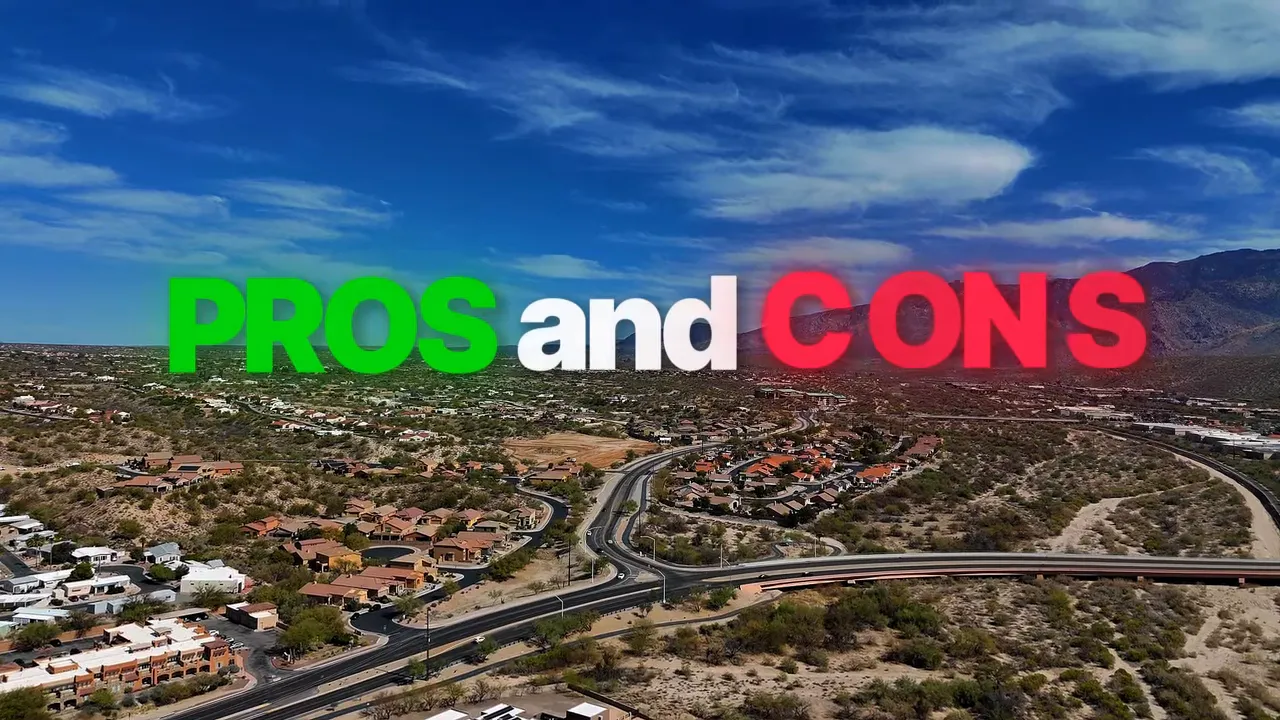
For many people relocating to Tucson, AZ, the winning formula is simple: accept Tucson for what it is instead of expecting it to be a smaller Scottsdale, Los Angeles, or Bellevue. It has its own personality, and that personality is exactly why many longtime locals and new arrivals love it here.
Pro: Landlord-Friendly Laws And Flexible HOAs
One of the lesser-known pros and cons of moving to Tucson, AZ is that Arizona is widely considered a landlord-friendly state. That matters for anyone purchasing an investment property, buying a second home, or considering renting out a property for part of the year.
Property rights are strong here, and the process for nonpayment of rent can move relatively quickly. A landlord can issue a five-day notice to pay, and if the tenant does not comply, the eviction process may proceed. Compared with places such as California, that can reduce some of the uncertainty owners associate with operating a rental property.
There is also an HOA difference that can be meaningful for buyers coming from California or Florida. Tucson certainly has HOA communities, especially in newer suburban development, but associations often feel less restrictive and their monthly fees may be lower than what some out-of-state buyers expect.
That does not mean every HOA is hands-off, so always review the specific rules, fees, and restrictions before purchasing. Still, more flexibility as a homeowner is a legitimate advantage in the pros and cons of moving to Tucson, AZ conversation.
Pro: Four Hours From Rocky Point
Tucson is a desert city, so beach access is not the first thing most people associate with living here. But one of the biggest lifestyle surprises is Puerto Peñasco, also known as Rocky Point, in Mexico.
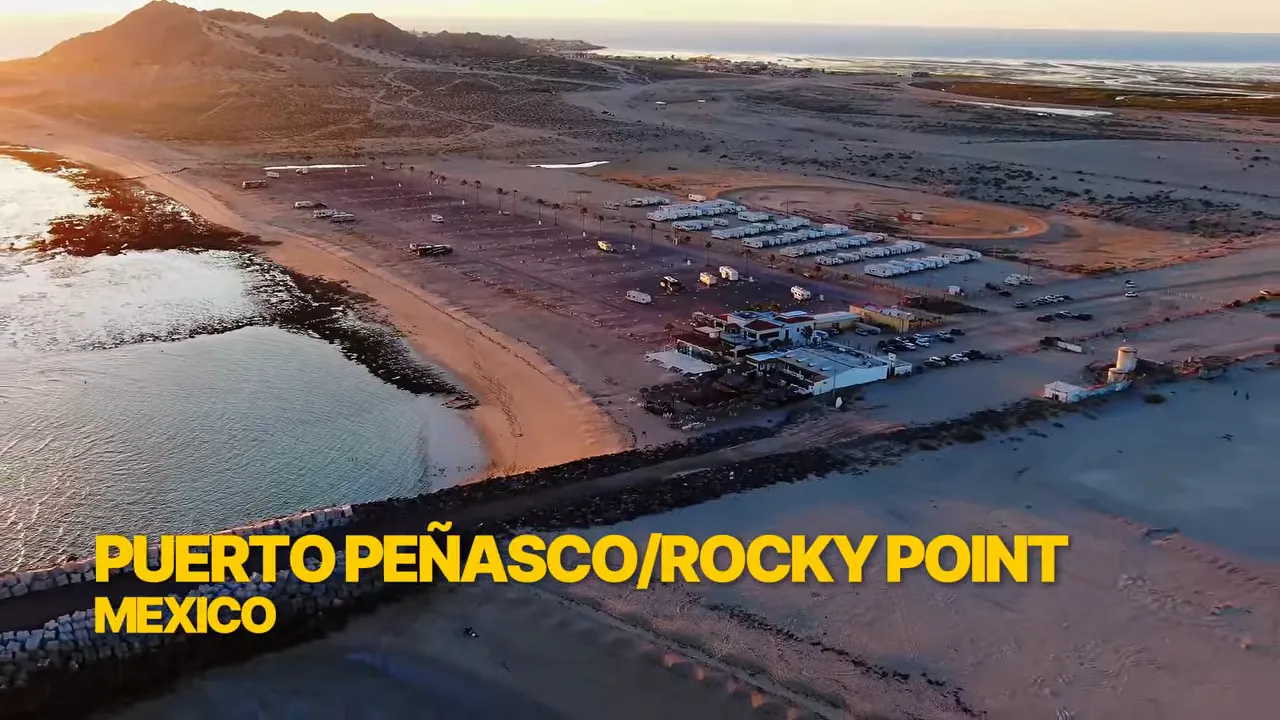
Puerto Peñasco is roughly a four-hour drive from Tucson and offers soft-sand beaches, warm ocean water, and a very different weekend option than many people expect from Southern Arizona. It is a straight shot south, and it gives Tucson residents access to a beach destination without California coastal prices.
For families, couples, and anyone who wants an easy road-trip escape, this changes the calculation. The desert lifestyle does not have to mean giving up beach weekends. It simply means the beach is in a different direction.
Of course, travel across an international border requires planning. But as a lifestyle benefit, proximity to Rocky Point deserves a real place on any list of the pros and cons of moving to Tucson, AZ.
Pro: Authentic Culture And Food Scene
Tucson has a cultural mix that is difficult to manufacture. The city carries its Wild West history, Mexican-American influence, university energy, and appreciation for the Sonoran Desert all at once. It does not feel like a city trying to impress anybody. It feels grounded.
That authenticity is a big draw for people coming from more image-driven or high-pressure metros. There is a deep connection to the outdoors here, and it shows up in local routines, architecture, art, festivals, and food.
The food scene is a major part of the story. Tucson was the first city in the United States designated as a UNESCO City of Gastronomy. That recognition reflects a culinary heritage that is rich, local, and much more significant than many people realize before arriving.
For those who value independent restaurants, regional flavors, and a food culture with roots, this is one of the strongest pros in the pros and cons of moving to Tucson, AZ. Tucson does not need to compete with Los Angeles or New York by copying them. Its appeal is that it offers something more distinct.
Pro: A More Balanced Pace Of Life
Tucson is what I consider a happy medium. It has modern-city conveniences, events, growth, and the energy of a thriving university town. At the same time, it is easy to slow down, get outside, and decompress.
This can be one of the most meaningful benefits for people relocating to Tucson, AZ from a major metro. If you are used to long commutes, constant traffic, packed schedules, and a persistent hustle culture, the mental shift can feel enormous. There is still plenty happening here, but life does not always feel like a race.
The outdoor access reinforces that balance. Central Tucson, the foothills, suburban communities, and mountain areas all make it easier to work activity and nature into normal life. You can enjoy city amenities and still feel close to open space.
That slower pace is not a lack of ambition or opportunity. It is more about having room to breathe. For many households weighing the pros and cons of moving to Tucson, AZ, that is a lifestyle upgrade that is difficult to put a price on.
Con: Road Conditions And Driving
Now for the part that catches a lot of people off guard. Tucson roads can be rough, especially through Midtown and Central Tucson. Potholes, cracks, uneven patches, and ongoing construction are not rare exceptions. They are part of daily driving.
The desert sun is hard on asphalt, and road maintenance can feel like a never-ending project. This is one of those issues you may notice on a short visit, but it becomes much more obvious after driving across town regularly.
Road condition is only part of it. Tucson has also ranked poorly for driver and pedestrian safety. Wide, fast streets and unpredictable driving behavior can create an adjustment for people coming from cities with more orderly traffic patterns.
When considering the pros and cons of moving to Tucson, AZ, do not just calculate commute time. Drive the routes that would become part of your normal routine. Test the intersections around prospective neighborhoods, schools, work locations, and shopping areas.
Con: The Cost Of Cooling Your Home
Everybody knows Tucson gets hot. What people often fail to budget for is what it costs to stay comfortable through the heat. The peak cooling season generally runs from May through September, and electric bills can become one of the biggest hidden expenses of homeownership.
For an average-sized home, plan for summer electric bills in the range of $300 to $500 per month during peak season. Depending on the home’s size, condition, cooling system, and efficiency, costs can go higher.
This is the hidden cost that can eat into savings from lower property taxes or a lower purchase price. It matters even more for retirees on a fixed income, investment-property owners protecting cash flow, and households trying to keep a tight monthly budget.
What Makes A Tucson Home More Efficient?
Efficiency is not a minor detail in Southern Arizona. It can make a substantial difference in the monthly bill. Look carefully at:
- Window quality and energy efficiency
- Insulation in walls and ceilings
- The age and condition of the cooling system
- The overall age and construction style of the home
- Whether the property is a new build or an older historic home
New construction tends to perform well because it uses more current insulation, windows, and building components. Older homes, including many homes in historic neighborhoods, can have far higher summer costs. This is one of the most important practical points in the pros and cons of moving to Tucson, AZ.
Con: Limited Supply Of Modern Homes
If your dream home has soaring ceilings, walls of glass, architectural steel, clean lines, abundant natural light, and a true ultramodern design, Tucson can be challenging. That inventory is limited, especially below roughly $2 million.
Tucson’s housing stock is dominated by stucco, adobe, and more traditional Southwestern design. That is beautiful architecture, and for many buyers it is exactly what makes the move feel authentic to the region. But it is not the same as the sleek contemporary inventory common in portions of California, the Pacific Northwest, or South Florida.
Even in the $1.5 million to $2 million range, the list of genuinely ultramodern homes can be short. Buyers with a very specific aesthetic may need to compromise on style, location, age, or budget.
This is not a reason to rule out Tucson. It is simply a reality to understand before relocating to Tucson, AZ. If modern design is nonnegotiable, start the home search with clear expectations and move quickly when the right property appears.
Con: Tucson's Long-Term Water Question
Water is always part of the conversation in a desert environment. Tucson has strong conservation policies and one of the lowest per-capita water-use rates in the Southwest, at around 76 gallons per person per day. That compares with more than 100 gallons per person per day in Phoenix.
There is an important distinction here. Tucson water availability is not described as an immediate day-to-day crisis. People are not routinely running out of water. But long-term sustainability is still an issue worth understanding because the regional supply is connected to the future of the Colorado River.
The honest take is that water is not necessarily a today problem, but it is a tomorrow reality. Anyone evaluating the pros and cons of moving to Tucson, AZ should be aware of it, particularly when making a long-term real estate decision.
It is also a reminder that desert living rewards practical habits. Conservation, efficient landscaping, and understanding utility needs are simply part of being a responsible homeowner here.
The Biggest Luxury Lifestyle Surprise
The number one thing that can blindside out-of-state relocators is the limited amount of cohesive high-end infrastructure. For people coming from established luxury markets, Tucson may feel dated in places.
Tucson has luxury pockets. Oro Valley, the Catalina Foothills, and select Northwest areas offer impressive homes and upscale settings. But the city does not have one large, polished, uniformly affluent area that feels like Scottsdale, Beverly Hills, or Bellevue.
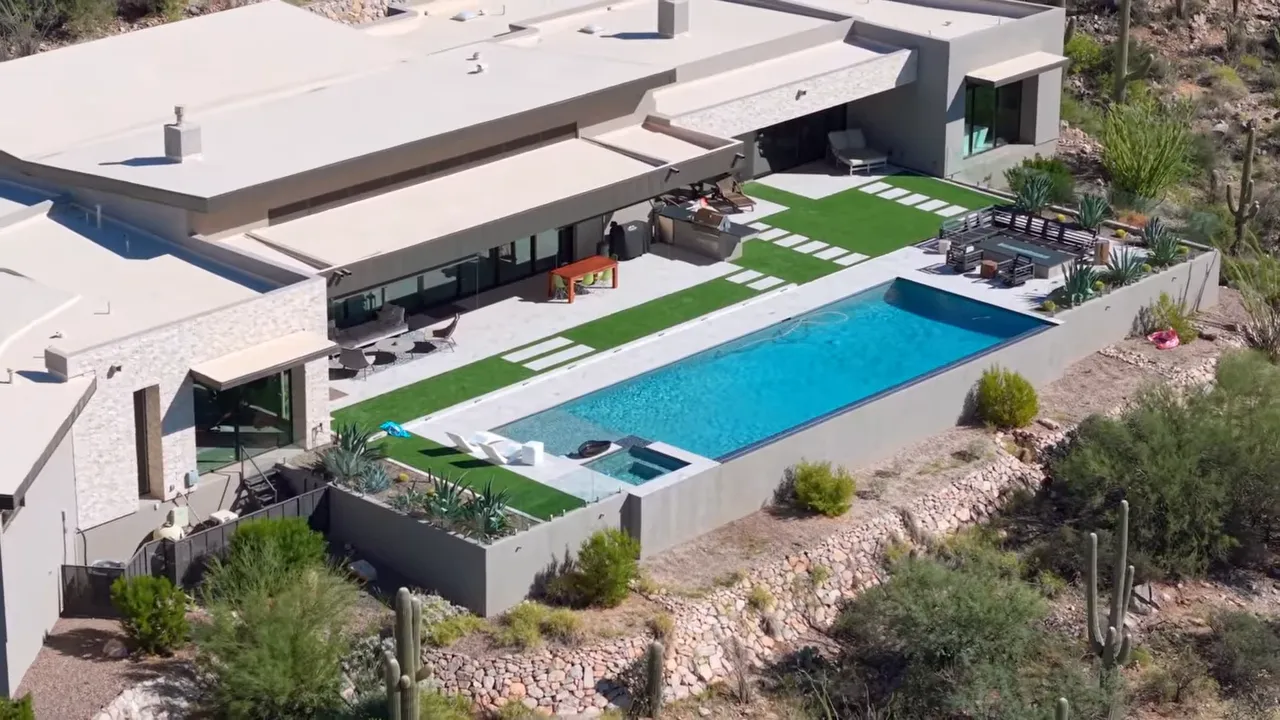
Much of Central and Midtown Tucson has older infrastructure. The city’s high-end lifestyle is more scattered and localized rather than consolidated into one unmistakable luxury district. For some people, that is a negative. For others, it is part of Tucson’s unpretentious charm.
This may be the most decisive item in the pros and cons of moving to Tucson, AZ. If you want a polished, highly curated luxury environment with premium retail, newer infrastructure, and an obvious affluent core, Tucson may disappoint. If you value character, privacy, natural beauty, and a less status-driven feel, that same quality may be a major benefit.
Making A Smart Decision About Relocating To Tucson, AZ
Tucson is not for everyone, and that is okay. The goal is not to sell a generic desert dream. The goal is to make sure the lifestyle, housing choices, monthly costs, and expectations line up with what you actually want.
The best approach is to weigh the pros and cons of moving to Tucson, AZ against your own priorities:
- Do you value a calmer, more outdoor-oriented pace of life?
- Would a beach destination within driving distance add value to your lifestyle?
- Are you comfortable with older roads and less polished infrastructure?
- Can your budget handle peak summer cooling costs?
- Do you love Southwestern architecture, or do you need a highly modern home?
- Are you comfortable making a long-term move in a desert environment where water remains an ongoing topic?
For the right person, relocating to Tucson, AZ can be a tremendous lifestyle move. The city offers authentic culture, access to nature, a strong food identity, room to breathe, and options that can feel far more manageable than a major coastal or Midwest metro. Just make the decision with a clear picture, not a brochure version of the city.
Whether you're looking to buy a brand-new construction home or find the perfect resale property, I'm here to help you navigate every step of your move. My full Tucson relocation service is designed to make your transition easy—from comparing neighborhoods and touring communities to finding the right home for your lifestyle.
If you're thinking about moving to Tucson, let's connect. Call or text me at 520-639-9117 or email RICH@ENRICHEDHOMESAZ.COM . I'd love to help you discover Tucson's newest home communities and find the perfect place to call home.
FAQs About Moving To Tucson, AZ
Is Tucson A Good Place To Move From California?
Tucson can be a strong fit for people leaving California who want more breathing room, a slower pace, less restrictive HOA environments, and a potentially more manageable path to homeownership or investment property. The adjustment points are road conditions, a less polished luxury environment, and the limited supply of ultramodern homes.
What Is The Biggest Hidden Cost Of Moving To Tucson?
Summer cooling is one of the biggest hidden costs. During the May through September peak season, an average-sized home may have electric bills of about $300 to $500 per month, with older or less efficient homes potentially costing more.
Are Tucson Roads Really That Bad?
Road quality is a genuine concern, particularly in Midtown and Central Tucson. The heat is hard on pavement, and potholes, cracks, and rough patches can be common. Driver and pedestrian safety also deserve serious consideration when choosing a neighborhood and daily routes.
Can I Find A Modern Home In Tucson?
Yes, but true ultramodern inventory is limited, particularly below about $2 million. Tucson has far more stucco, adobe, and traditional Southwestern homes than sleek contemporary properties with expansive glass, steel details, and high-end modern architecture.
Should Water Concerns Stop Me From Moving To Tucson?
Water is not presented as an immediate day-to-day problem, and Tucson has strong conservation practices with low per-capita usage. Still, the long-term water situation and the region’s connection to the Colorado River should be part of any long-range decision to buy a home in the desert.
What Are The Best Lifestyle Benefits In The Pros And Cons Of Moving To Tucson, AZ?
The standout benefits include an authentic local culture, a nationally recognized food heritage, outdoor access, a calmer pace of life, relatively relaxed HOA environments in many communities, and the ability to drive to Puerto Peñasco for beach getaways.
Read More: YOUR GUIDE TO BUILDING A DREAM HOME IN DOVE MOUNTAIN, ARIZONA

Youtube Channel
Watch the latest with Enriched Homes
If you are considering a move to Tucson, we can assist you in navigating the various aspects of living in the city. Our experience encompasses a deep understanding of the local community, enabling us to help individuals and families find their ideal home. Whether you are planning your move now or in the future, feel free to contact us for guidance and support throughout your relocation process. We look forward to assisting you.
Enriched Homes is a Tucson real estate agency specializing in new construction. Rich Jacome, a Certified Appraiser and Realtor with over 2,000 transactions, is dedicated to helping clients achieve their real estate goals. A Tucson native, Rich has deep community ties and is also a committed investor and business coach, advocating for continual growth. Enriched Homes focuses on delivering exceptional service, and Rich's unmatched knowledge of the local market drives him to go the extra mile for clients.