
Never Buy These Types of Homes in Tucson, The Updated List
I put together a list of home types to avoid in Tucson, and it became one of the most-watched videos on this channel. That list is still valid, every word of it. But this is the updated version, and nothing here appeared in the original. These are the things that quietly kill deals in today's Tucson market, the ones that almost never surface until you're already under contract or past your inspection period, when walking away gets expensive.
I'm Rich Jacome, a fourth-generation Tucsonan and a licensed real estate appraiser and realtor. Everything on this list comes from real transactions my team and I have worked. Some of these issues are specific to Tucson's geography and infrastructure. Others are statewide problems that hit harder here because of how our metro is laid out. And one of them, the most valuable one, is a brand-new Arizona law that gives buyers a right they've never had before. I haven't heard a single person in this market talk about it yet.
This isn't a list scraped off Zillow. It's built from Pima County fire-district maps, VA and FHA lender handbooks, current Arizona statutes including ones not yet in effect, air-quality filings, and direct phone calls to verify. If you're moving to Tucson or buying a home here, this is what most buyers wish they'd known first.
Table of Contents
- The Fire Department That Bills $1,500 an Hour
- Where Your Leverage Actually Is in This Market
- The Brand-New Community You Shouldn't Buy Into
- Homes with No Fire Protection
- Wells, Hauled Water, and Private Roads
- Leased Solar: The Hidden Lien on Your Title
- HOA Reserves and the New Arizona Law
- Buying an Older Home When You're Not Built for It
- Which Home Types Should You Actually Avoid?
- Let's Talk About Your Tucson Home Search
The Fire Department That Bills $1,500 an Hour
Let's start with the one that catches people completely off guard: Rural Metro fire districts . Rural Metro is a private, subscription-based fire service that covers parts of unincorporated Pima County. If you live in one of these areas and you don't subscribe, they'll still respond to your emergency. But then they'll bill you, and the rate is roughly $1,500 an hour, plus equipment and personnel charges.
Most buyers have no idea these districts exist until they're already in escrow. The listing doesn't mention it. The MLS doesn't flag it. Your lender might not catch it. And if you're using a VA loan, it can become a financing issue, because the VA considers subscription fire service a recurring cost that affects your debt-to-income ratio. Even if you're paying cash, it's a cost you need to budget for, and it's one more thing that makes resale harder down the line.
The subscription itself isn't expensive, usually a few hundred dollars a year. But the surprise is the problem. You need to know before you make an offer whether the home is in a Rural Metro district, and you need to factor that into your monthly carrying costs. I've seen buyers walk away over this, not because they couldn't afford the subscription, but because they felt blindsided.
Pima County fire-district maps are public, but they're not intuitive to read. If you're looking at homes in unincorporated areas, especially east of Tucson near Vail or Corona de Tucson, or northwest toward Marana, ask your agent to verify fire-district coverage before you write an offer. It's a simple phone call that can save you a lot of frustration later.
Where Your Leverage Actually Is in This Market
Before I get into the rest of the list, let me explain where your leverage actually is in today's Tucson market, because it affects how you handle every one of these issues. Right now, inventory is still tight in most price ranges, and sellers have more power than they did a year ago. But that doesn't mean you have no leverage. It just means your leverage isn't in the offer price or the inspection period. It's in the financing and appraisal contingencies.
If a home has one of the problems I'm about to cover, leased solar, a well, a private road, low HOA reserves, your lender might not approve the loan, or the appraiser might flag it as a condition of the appraisal. That's your leverage. You're not being difficult. You're not trying to renegotiate. The loan simply won't close unless the issue is resolved. And in most cases, the seller has to fix it or credit you for it, because they can't sell to the next buyer either without addressing it.
So when I say "don't buy" one of these home types, what I really mean is: don't buy it without understanding the financing and resale implications, and don't waive your contingencies until you've verified that your lender and appraiser will sign off. That's where your power is.
The Brand-New Community You Shouldn't Buy Into
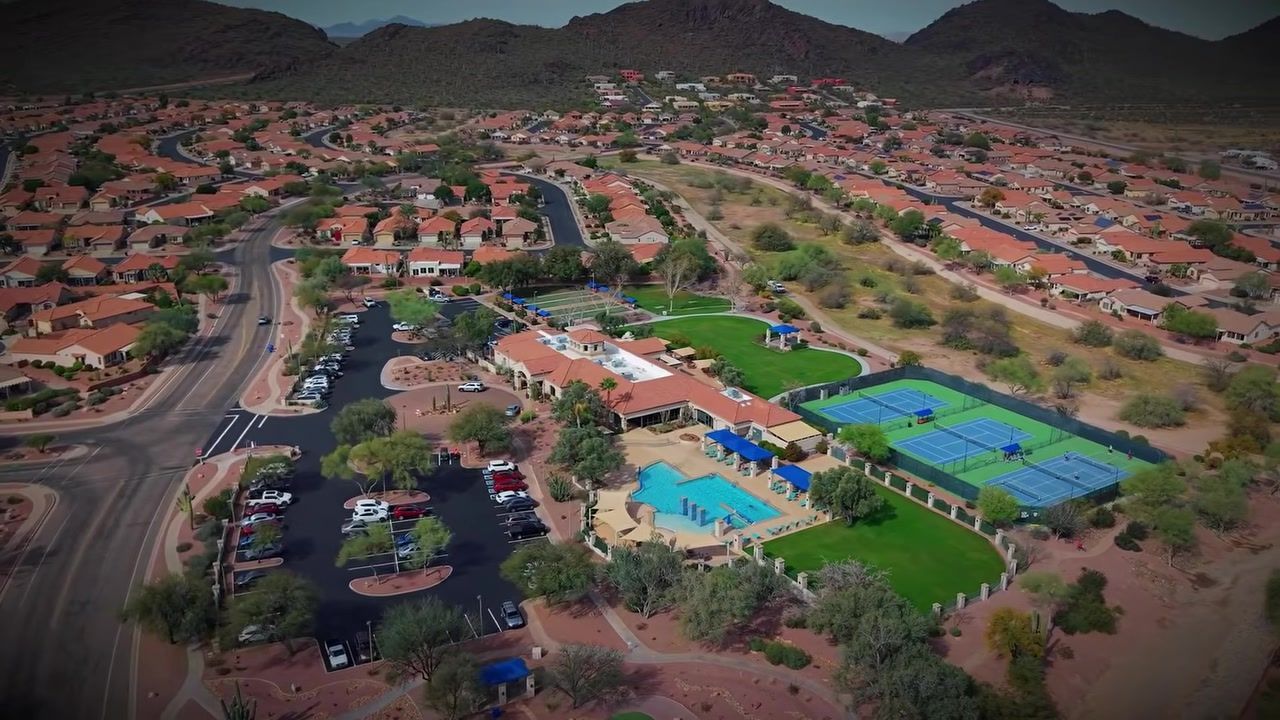
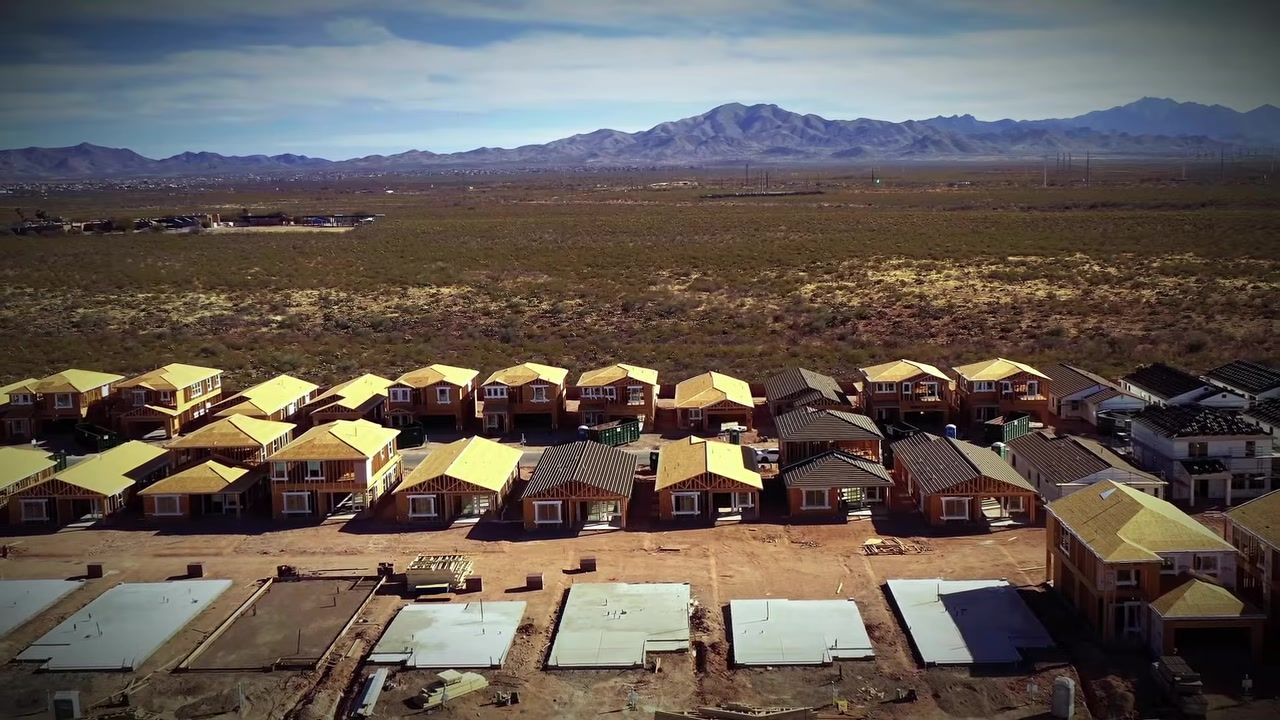
There's a brand-new master-planned community going up right now that I'm not going to name, but if you're shopping in northwest Tucson or Marana, you'll know which one I'm talking about. It's being marketed heavily. The models are beautiful. The amenities look great on paper. And the pricing is competitive for what you're getting.
Here's the problem: the infrastructure isn't finished. Roads that are supposed to connect to major corridors aren't paved yet. The fire station that's supposed to serve the community isn't built. The schools that are supposed to be walkable are still in the planning phase. And the commercial development that's supposed to bring grocery stores and restaurants to the area is years away.
None of that is unusual for a new master plan. What's unusual is how far behind the builder is on the infrastructure relative to how many homes they've already sold. They're closing homes in phases that don't have full access to the amenities yet, and they're not being transparent about the timeline. I've talked to buyers who moved in expecting a community pool and a fitness center, only to find out that those facilities won't open for another 18 months.
The bigger issue is resale. If you buy in year one of a master plan and the builder takes five years to finish the infrastructure, you're going to have a hard time selling in years two or three, because buyers will compare your home to the builder's current inventory, which will have more finished amenities and possibly better pricing or incentives. You're competing with the builder for resale, and the builder always wins that fight.
I'm not saying never buy into a new master plan. I'm saying do your homework. Ask the builder for a written timeline on amenities and infrastructure. Drive the area at different times of day to see what the commute and access are actually like. And if you're buying for resale in the next few years, think twice. You're better off buying into a community that's already 50 percent built out, where the amenities are open and the infrastructure is in place.
Homes with No Fire Protection
This is different from the Rural Metro issue. I'm talking about homes that are so far outside any fire district, public or private, that they have no fire protection at all. These are typically rural properties on large lots, often in the Catalina Foothills or the far east side near Vail or Corona de Tucson.
If the home is more than a certain distance from the nearest fire station, or if there's no fire hydrant within a certain radius, your homeowner's insurance will either be extremely expensive or unavailable. And if you're using a VA, FHA, or USDA loan, the lender might not approve the loan at all, because those programs have minimum fire-protection requirements.
This is one of those things that doesn't show up until the appraisal. The appraiser will note the distance to the nearest fire station and whether there's adequate fire protection, and if there isn't, the loan won't close. I've seen buyers lose their earnest money over this because they didn't verify fire protection before they went under contract.
If you're looking at rural properties, ask your agent to verify fire-district coverage and insurance availability before you make an offer. It's not enough to assume that because the home is listed, it's financeable. A lot of rural homes are cash-only for this exact reason, and the listing agent might not disclose that up front.
Wells, Hauled Water, and Private Roads
Let me clear up two VA-loan myths that even lenders get wrong, because if you're a veteran, they can cost you a house you're actually qualified to buy.
Myth one: VA loans don't allow wells. Not true. VA loans allow wells, but the well has to meet certain requirements. It has to produce a minimum flow rate, the water has to be tested and deemed potable, and the well has to be the primary water source for the property. If the well is shared with other properties, the VA requires a well-sharing agreement that's recorded and enforceable. Most wells in Tucson meet these requirements, but you need to verify it before you make an offer.

Myth two: VA loans don't allow private roads. Also not true. VA loans allow private roads, but the road has to be maintained by a recorded road-maintenance agreement, and the agreement has to include a mechanism for funding repairs. If the road is just a handshake deal between neighbors, the VA won't approve the loan. But if there's a formal agreement in place, you're fine.
The problem is that a lot of agents and lenders don't know these rules, so they'll tell you a home isn't VA-eligible when it actually is. If you're a veteran and you're looking at a home with a well or a private road, don't take no for an answer until you've verified the actual VA requirements. I've helped buyers get loans approved on properties that three other lenders said were ineligible, just by doing the research and providing the documentation the VA actually requires.
Hauled water is a different story. If the property doesn't have a well and you have to haul water in by truck, that's a red flag for any loan type. It's expensive, it's inconvenient, and it makes the home much harder to resell. I'd avoid hauled-water properties unless you're paying cash and you're planning to live there long-term.
Leased Solar: The Hidden Lien on Your Title
Leased solar is one of the most common deal-killers I see, and most buyers don't understand the problem until it's too late. Here's how it works: the previous owner signed a 20- or 25-year lease with a solar company. The solar panels are installed on the roof, but the homeowner doesn't own them. The solar company owns them, and the homeowner pays a monthly lease payment, which usually escalates every year.
When you buy the home, you have to assume the lease. That means you're taking on a monthly payment that can range from $100 to $300 or more, and you're locked into that payment for the remainder of the lease term. The lease is recorded as a lien against the property, so it shows up on the title report, and your lender has to approve the lease as part of the loan.
Here's where it gets tricky. A lot of lenders won't approve leased solar, especially if the monthly payment is high or if the lease terms are unclear. And even if your lender approves it, the lease payment counts against your debt-to-income ratio, which can affect how much house you qualify for. On top of that, leased solar makes the home harder to resell, because the next buyer has to go through the same approval process.
If you're looking at a home with solar panels, the first question you need to ask is: are they owned or leased? If they're owned, great, that's a selling point. If they're leased, you need to get a copy of the lease agreement and have your lender review it before you make an offer. And if the seller is willing to buy out the lease as part of the sale, that's even better, but most sellers won't do that unless you negotiate it up front.
I've seen buyers fall in love with a home, go under contract, and then find out two weeks later that their lender won't approve the leased solar. By that point, they've already paid for the inspection and the appraisal, and they're either stuck with the home or they're walking away and losing money. Don't let that be you.
HOA Reserves and the New Arizona Law
This is the one I saved for last, because it's the most valuable and almost nobody is talking about it yet. Arizona just passed a new law that requires HOAs to conduct reserve studies and to fund their reserves at a minimum level. The law doesn't take full effect until 2026, but it's already changing how buyers and lenders evaluate HOA-governed properties.
Here's why it matters. A reserve study is an analysis of the HOA's long-term capital needs, things like roof replacements, road resurfacing, pool equipment, and other major repairs. The study estimates how much money the HOA needs to have in reserves to cover those expenses without hitting homeowners with a special assessment.
Under the new law, HOAs are required to conduct a reserve study every few years and to fund their reserves at a level that meets the study's recommendations. If an HOA's reserves are underfunded, the HOA has to either raise dues or levy a special assessment to catch up. And here's the kicker: buyers now have the right to request a copy of the HOA's reserve study during the inspection period, and if the reserves are underfunded, that's grounds to renegotiate or walk away.
This is huge. Before this law, most buyers had no idea whether an HOA was financially healthy. You'd buy into a community, and two years later you'd get hit with a $10,000 special assessment because the HOA didn't have enough money to replace the roofs. Now you can see that coming before you buy.
If you're looking at a home in an HOA, ask your agent to request the reserve study as part of your due diligence. If the HOA doesn't have one, or if the reserves are underfunded, that's a red flag. It doesn't necessarily mean you shouldn't buy the home, but it does mean you need to budget for higher HOA dues or a potential special assessment in the near future. And if the reserves are severely underfunded, you might want to walk away, because that's a financial liability that's going to follow you for as long as you own the home.
Buying an Older Home When You're Not Built for It
Let me be honest about something most agents won't say: not everyone is built to own an older home. If you're buying a house built before 1980 in Tucson, and there are a lot of them, because Tucson has some beautiful mid-century neighborhoods, you need to go in with your eyes open about what that means.
Older homes in Tucson have character. They have thick adobe walls, terrazzo floors, and mountain views that newer homes can't touch. But they also have galvanized plumbing that's probably corroded, electrical panels that don't meet current code, evaporative coolers instead of central air, and roofs that might be original. And if the home hasn't been updated in the last 20 years, you're looking at a renovation project, not a move-in-ready house.
I've worked with buyers who fell in love with a 1960s ranch in the Catalina Foothills, bought it thinking they'd do a little cosmetic work, and then found out they needed to replumb the entire house, rewire the electrical, and replace the HVAC. That's a $50,000 to $100,000 project, and it's not optional, it's deferred maintenance that the previous owner didn't do.
If you're not built for that, if you don't have the budget, the patience, or the interest in managing a renovation, don't buy an older home. Buy something built in the last 20 years, where the systems are newer and the maintenance is predictable. There's no shame in that. Older homes are wonderful if you're ready for them, but they're a money pit if you're not.
And if you do buy an older home, get a thorough inspection from someone who specializes in older construction. Don't use the cheapest inspector you can find. Pay for someone who knows what to look for in a 60-year-old house, because the issues are different from what you'd find in new construction. And budget at least 10 percent of the purchase price for repairs and updates in the first year. If you can't afford that, you can't afford the house.
Which Home Types Should You Actually Avoid?
So here's the summary. If you're buying in Tucson, these are the home types that create the most problems:
- Homes in Rural Metro fire districts , unless you're prepared to pay the subscription and factor it into your resale.
- Brand-new communities where the infrastructure isn't finished , unless you're buying for the long term and you're not counting on resale in the next few years.
- Homes with no fire protection , unless you're paying cash and you can get affordable insurance.
- Homes with wells or private roads , unless you've verified that your lender will approve them and that the well or road meets financing requirements.
- Homes with leased solar , unless your lender has approved the lease and you're comfortable taking on the monthly payment.
- Homes in HOAs with underfunded reserves , unless you're prepared for higher dues or a special assessment.
- Older homes that need major updates , unless you have the budget and the patience for a renovation.
None of these are automatic deal-breakers. But all of them require extra due diligence, and all of them can kill a deal if you don't catch them early. The key is to ask the right questions before you make an offer, not after you're already under contract.
Let's Talk About Your Tucson Home Search
If you're moving to Tucson or buying a home here, I can help you avoid these pitfalls. I'm a fourth-generation Tucsonan, a licensed appraiser and realtor, and I've worked on enough transactions to know where the landmines are. My team and I do the research up front, fire districts, HOA reserves, lender requirements, all of it, so you don't get surprised halfway through escrow.
Take my free Tucson Relocation Quiz to find out which neighborhoods fit your lifestyle, budget, and priorities. It takes a few minutes, and it's built from real market data, not generic advice. Or reach out directly, call or text me at 520-639-9117, or fill out the contact form on my site. Let's set up a Zoom call or an in-person consult and talk through what you're looking for. No pressure, no obligation, just honest insight from someone whose family has called Tucson home for over 150 years.
FAQ: Tucson Home-Buying Pitfalls
How do I know if a home is in a Rural Metro fire district?
Check the Pima County fire-district maps, which are available online through the county assessor's office. Or ask your agent to verify fire-district coverage before you make an offer. If the home is in a Rural Metro district, you'll need to budget for the annual subscription, which is usually a few hundred dollars.
Can I use a VA loan to buy a home with a well?
Yes. VA loans allow wells as long as the well meets minimum flow-rate requirements, the water is tested and deemed potable, and the well is the primary water source. If the well is shared, you'll need a recorded well-sharing agreement. Don't let a lender tell you it's not allowed without verifying the actual VA guidelines.
What happens if I buy a home with leased solar?
You'll assume the lease, which means you'll take on the monthly lease payment for the remainder of the lease term, usually 20 to 25 years. The lease payment counts against your debt-to-income ratio, and not all lenders will approve it. Get a copy of the lease agreement and have your lender review it before you make an offer.
What is an HOA reserve study and why does it matter?
A reserve study estimates the HOA's long-term capital needs and how much money the HOA should have in reserves to cover major repairs without levying a special assessment. Under Arizona's new law, you have the right to request the reserve study during your inspection period. If the reserves are underfunded, you can renegotiate or walk away.
Should I avoid older homes in Tucson?
Not necessarily, but you need to be realistic about the cost and effort of owning one. Older homes often need major updates to plumbing, electrical, and HVAC systems. Budget at least 10 percent of the purchase price for repairs in the first year, and get a thorough inspection from someone who specializes in older construction.
What should I look for when buying into a new master-planned community?
Ask the builder for a written timeline on amenities and infrastructure. Drive the area at different times of day to see what access and commute times are actually like. And if you're buying for resale in the next few years, consider buying into a community that's already 50 percent built out, where the amenities are open and the infrastructure is in place.



Youtube Channel
Watch the latest with Enriched Homes
If you are considering a move to Tucson, we can assist you in navigating the various aspects of living in the city. Our experience encompasses a deep understanding of the local community, enabling us to help individuals and families find their ideal home. Whether you are planning your move now or in the future, feel free to contact us for guidance and support throughout your relocation process. We look forward to assisting you.

Enriched Homes is a Tucson real estate agency specializing in new construction. Rich Jacome, a Certified Appraiser and Realtor with over 2,000 transactions, is dedicated to helping clients achieve their real estate goals. A Tucson native, Rich has deep community ties and is also a committed investor and business coach, advocating for continual growth. Enriched Homes focuses on delivering exceptional service, and Rich's unmatched knowledge of the local market drives him to go the extra mile for clients.