
Tucson Real Estate Market: What the 50% Price-Cut Rate Means
Table of Contents
- Introduction
- Tucson Real Estate Market Price Cuts: What They Mean
- Tucson Real Estate Market Data: What’s Changing
- Selling in Tucson: Price Right From Day One
- Buying in Tucson: Where Buyers Have Leverage
- Tucson New Construction: Opportunities for Buyers
- How to Search the Tucson Real Estate Market
Introduction
The Tucson real estate market is generating some scary headlines right now. As of June 2026, roughly 1,400 of Tucson’s approximately 2,800 active listings have taken at least one price reduction. That is 50% of the available inventory, compared with a national average near 21.6%.
At first glance, that number sounds like a collapse. It is not. What we are seeing in the Tucson real estate market is a correction after several years when sellers could price aggressively, skip repairs, and still expect multiple offers immediately. That environment is over, and the market is now making sellers compete again.
Tucson Real Estate Market Price Cuts: What They Mean
A price reduction does not automatically mean a home is worth dramatically less than it was a few months ago. In many cases, it means the home was launched at a number that was never realistic in the first place.
For the last three years, many sellers became accustomed to pricing 10% above market value, making few or no repairs, and receiving a flood of attention in the first weekend. In today’s Tucson real estate market, buyers are far more patient. They are comparing neighborhoods, condition, upgrades, views, and total monthly cost before committing.
That is why homes priced like it is still 2022 can sit for 60, 70, or 80 days. In more extreme examples, some listings are lingering for more than 200 days. Once a listing has been sitting for that long, a price reduction is often the only meaningful lever left.
We should not confuse sellers correcting an unrealistic list price with a structural decline in the market. Those are two completely different things.
Tucson Real Estate Market Data: What’s Changing
The broader numbers support the correction story. According to Realtor.com data cited for May, Tucson’s median list price declined 3.9% year over year. That is a sharper move than the national average, but it does not erase the major home-value growth Tucson has experienced since 2019.
We are seeing a return toward a more balanced Tucson real estate market, not a market-wide unraveling. One of the clearest signs is the change in days on market. The average has increased to 57 days, about 14% higher than a year earlier.
That additional time changes behavior on both sides of the transaction:
- Buyers no longer feel forced to write an offer on the first day.
- Sellers have to recognize that presentation and pricing both matter again.
- Properties with a strong value proposition can still move quickly.
- Overpriced listings become increasingly vulnerable as time works against them.
The difference is important. A well-priced home can still sell in roughly 30 to 40 days. The market is not rejecting every home. It is rejecting wishful pricing.
Selling in Tucson: Price Right From Day One
If we are selling in the Tucson real estate market this year, the strategy has to be precise from the start. Testing the market at an inflated number may feel tempting, but it can be expensive.
Homes that eventually need a reduction are selling for almost 6.5% less than their original asking price on average and are taking more than a month longer to close. That is the problem with chasing the market downward. Once buyers see a property linger, they begin to ask what is wrong with it, even if the only issue was the original price.
A stronger seller strategy is straightforward:
- Price against current, comparable competition rather than yesterday’s headlines.
- Handle obvious repairs before going live.
- Stage and present the property so it is the best option in its price range.
- Make the first impression count while the listing is fresh.
We are still seeing multiple-offer situations, but they are localized. A highly desirable home in the right part of Oro Valley , a home with unobstructed views, or a home with exceptional upgrades and an honest price can create real competition. That does not mean every property will receive the same response.
Buying in Tucson: Where Buyers Have Leverage
For buyers, the Tucson real estate market finally offers opportunities that have been difficult to find for years. Seller concessions, closing-cost credits, inspection repairs, and below-list-price offers are back on the table.
Homes are currently closing for about 98% of list price on average. That does not mean we should automatically offer 2% below every asking price. It means the expectation that buyers must always pay above asking has faded, particularly when a listing is overpriced or has been sitting for an extended period.
The best leverage exists when we understand the listing’s story. How long has it been active? Has it already reduced? Is it competing with newer inventory? Is the home priced accurately for its condition, location, and upgrades? Those answers help shape the offer, inspection strategy, and request for credits.
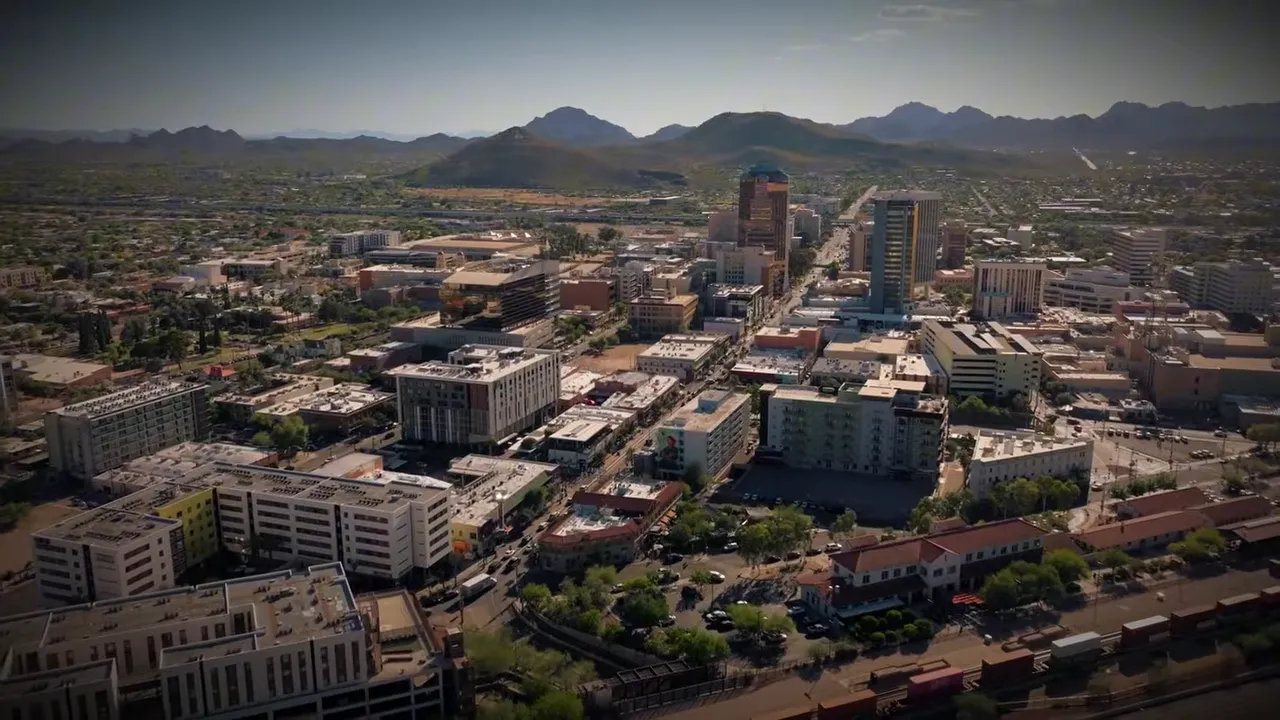
One recent example involved a retirement couple relocating to Tucson on a tight timeline. They preferred resale homes because they valued mature landscaping, established neighborhoods, less construction noise, and improvements completed by previous homeowners.
After narrowing the search to a core group of homes, they toured about eight properties and found the right one in Rancho Vistoso , one of Oro Valley’s premier master-planned communities. Even in a competitive area, the right strategy mattered. We secured the home within their timeline and negotiated nearly $30,000 off the asking price.
That is the kind of result available when we do not treat every property the same. A home with real demand needs a different approach than an overpriced home whose leverage is growing every week.
|
Tucson New Construction: Opportunities for Buyers
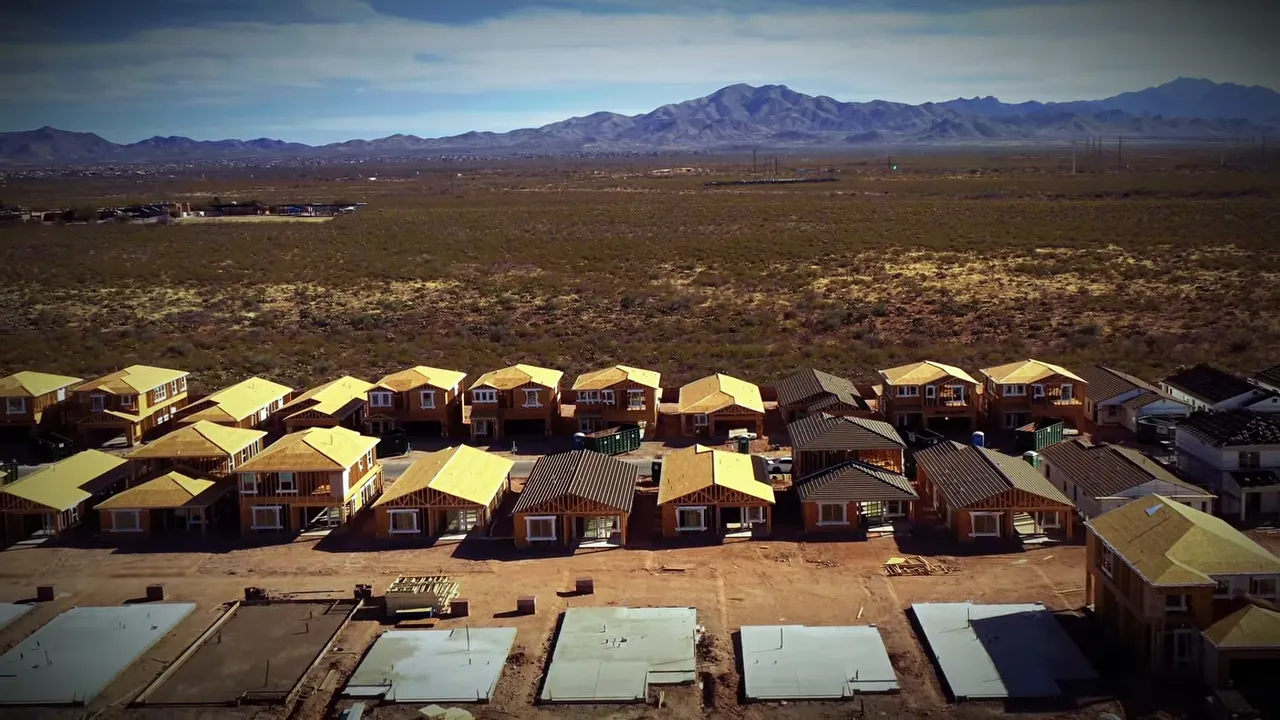
While resale sellers are cutting visible list prices, builders are often playing a different game. Builders generally do not want to reduce a base price too aggressively because that can affect appraisals and perceived value across the rest of the neighborhood.
Instead, they may offer substantial incentives on spec homes. A spec home is a home where the builder has already selected the lot, floor plan, exterior style, cabinetry, flooring, countertops, paint, and other finishes. It is either under construction or complete and ready for a buyer to close.
In the current Tucson real estate market, these incentives can include:
- Below-market financing, with rates negotiated between 3.99% and 4.75% on certain new-build spec homes
- Builder-paid closing costs
- Waived lot premiums
- Design-center credits
- Additional price reductions on selected inventory
This is why we need to compare resale and new construction using the full affordability picture. A resale home with a lower price is not necessarily less expensive each month than a new home with a lower interest rate and builder-paid costs.
For one buyer moving toward Dove Mountain and the Marana area, we monitored builder inventory, new community openings, and incentive adjustments for more than a year. When the right spec-home opportunity appeared, the builder had already reduced the home by about $70,000 from its earlier pricing. We negotiated another $10,000 off and secured a rate about 1.5% below the current market rate at that time.
That rate reduction alone translated into hundreds of dollars in monthly savings. Timing was everything. The right house, price, incentives, and financing program all had to align.
New Build Does Not Mean Spec Home Is the Only Choice
Some buyers want speed and incentives. Others want to choose every detail. We can find opportunities on both sides.
One buyer relocating from Southern California was drawn to Oro Valley and wanted to build from the ground up. In a boutique community with approximately 33 homesites, he was able to select a lot, choose the floor plan, consider the view, and personalize the interior finishes. This path may not create the same immediate spec-home incentives, but it can be the better fit when customization is the priority.
The takeaway is simple: do not limit the search to only resale homes or only new construction. In today’s Tucson real estate market, both can be strong options, but the financial structure, timeline, condition, and lifestyle experience can be very different.
How to Search the Tucson Real Estate Market
Whether we are looking to move in 30 days or simply beginning the discovery process, we want to work from facts rather than fear. The 50% price-cut headline is real, but it does not tell the whole story.
For resale, we should identify homes where the seller’s pricing, days on market, and reduction history create negotiating room. For new construction, we should track available spec inventory, financing offers, closing-cost help, and community-specific incentives. Builder programs and pricing can change quickly, so the details need to be verified before a decision is made.
The Tucson real estate market is no longer a one-size-fits-all environment. That is good news for buyers who are willing to compare options carefully, and it is a wake-up call for sellers who need to lead with value from day one.
Frequently Asked Questions About the Tucson Real Estate Market
Is the Tucson real estate market crashing?
No. The current conditions indicate a correction toward a more balanced market. List prices have softened and homes are taking longer to sell, but Tucson values remain significantly higher than they were in 2019.
Why are so many Tucson homes reducing their prices?
Many sellers entered the market with expectations shaped by the highly competitive years before 2026. Listings priced above their actual market value are sitting longer, and sellers often reduce prices to regain buyer attention.
Can buyers negotiate below asking price in Tucson?
Often, yes. Homes are selling for about 98% of list price on average, and buyers may be able to negotiate price, closing-cost credits, seller concessions, or inspection repairs. The opportunity depends on the individual property and its demand.
Why should buyers compare resale and new construction homes?
Resale homes may offer mature landscaping, established neighborhoods, and completed upgrades. New construction may offer incentives such as lower financing rates, closing-cost help, waived lot premiums, or design credits. Comparing both helps determine the best overall value.
If you’re considering buying a home in the Tucson area, let’s look at the current market, resale opportunities, and new-construction incentives to find the right fit for your budget and timeline. Call/text me at 520-639-9117 or connect with me here to discuss your Tucson home search and your next move.

Youtube Channel
Watch the latest with Enriched Homes
If you are considering a move to Tucson, we can assist you in navigating the various aspects of living in the city. Our experience encompasses a deep understanding of the local community, enabling us to help individuals and families find their ideal home. Whether you are planning your move now or in the future, feel free to contact us for guidance and support throughout your relocation process. We look forward to assisting you.
Enriched Homes is a Tucson real estate agency specializing in new construction. Rich Jacome, a Certified Appraiser and Realtor with over 2,000 transactions, is dedicated to helping clients achieve their real estate goals. A Tucson native, Rich has deep community ties and is also a committed investor and business coach, advocating for continual growth. Enriched Homes focuses on delivering exceptional service, and Rich's unmatched knowledge of the local market drives him to go the extra mile for clients.