
Moving to Tucson, AZ: 5 Honest Reasons to Think Twice Before Making the Move
Moving to Tucson, AZ can be an incredible lifestyle change, but it is not the desert-paradise story that gets told online every single time. We have the mountains, sunshine, culture, food, and a pace of life that plenty of people love. We also have intense heat, wildlife, uneven infrastructure, aging homes, and major differences from one part of town to the next.
When we are considering moving to Tucson, AZ, we need the full picture, not the polished sales pitch. Tucson is not one thing. Central Tucson is dramatically different from Oro Valley, Marana, Vail, Sahuarita, and the newer communities on the outskirts of town.
We can love Tucson and still be honest about the tradeoffs. Here are five reasons some people decide against moving to Tucson, AZ, plus the context that matters before we make a decision.
Moving to Tucson, AZ? What to Know About the Desert Climate
The first reality of moving to Tucson, AZ is simple: the summers are serious. From late May through September, triple digit temperatures are common. This is not just a matter of saying, “It is a dry heat.” The sun is intense, the pavement gets hot, and outdoor plans need to be built around the weather.
For anyone arriving from the Midwest, Pacific Northwest, or another cooler climate, the sheer force of the summer sun can be a shock. We adjust our routines. We get outside earlier, stay hydrated, rely on air conditioning, and plan the hottest part of the day differently. But that adaptation is real, and it is not a fit for every lifestyle.
The desert also comes with desert wildlife. Rattlesnakes, scorpions, javelinas, coyotes, venomous spiders, and Gila monsters all exist here. If we buy a home beside untouched desert, we are sharing our surroundings with the wildlife that already lives there.

Arizona is ranked at the top nationally for venomous species, with more than 30 scorpion species, 13 rattlesnake species, venomous spiders, and the Gila monster, the only venomous lizard native to the United States. On paper, that sounds wild.
In day to day life, though, it is generally much calmer than those statistics suggest. Longtime locals learn what to look for, how to be aware, and how to coexist. Encounters can happen, particularly near desert areas, but they are not necessarily frequent or traumatic. Wildlife should go in the “know before we go” category, not automatically the “do not move” category.
Before moving to Tucson, AZ, we should spend real time in the specific area we are considering. A backyard in a dense central neighborhood has a very different wildlife experience from a home backing directly to open desert.
Crime in Tucson: Looking Beyond the Headlines
“Is Tucson safe?” is one of the most common questions people ask when they are thinking about moving to Tucson, AZ. The local news can make it feel like crime is everywhere, all the time. We should not ignore crime, but we also should not make a major decision based only on headlines.
FBI 2024 Uniform Crime Reporting data puts Tucson’s violent crime rate at 589 incidents per 100,000 people. That is above the national average. Still, comparisons matter. The same data cited rates of 728 in Los Angeles and 993 in Denver.
More importantly, the University of Arizona MAP Dashboard reports that violent crime across the Tucson metro area declined 41 percent from 2005 through 2024. The 2024 rate was the lowest reported during that 20 year span.
That does not mean every neighborhood feels the same, and it does not mean we should skip due diligence. Crime patterns are local. We need to assess the street, nearby commercial corridors, traffic flow, and the lifestyle we want, rather than treating an entire metro area as one uniform experience.
Homelessness in Tucson: What Homebuyers Should Know
Homelessness is visible in Tucson, especially in certain central areas. The 2025 point in time count identified more than 2,200 people experiencing homelessness in Pima County. That is a real issue, and it can influence where people choose to live.
The biggest point for anyone moving to Tucson, AZ is that this experience is highly localized. In central Tucson, near the University of Arizona, and along major corridors, we are more likely to encounter a visible transient population. This is part of the urban reality in those areas.
Move outward toward suburban communities such as Oro Valley, Marana, Vail, or Sahuarita, and the experience can be entirely different. In many master planned communities and outer suburban neighborhoods, this concern is far less visible or virtually absent.
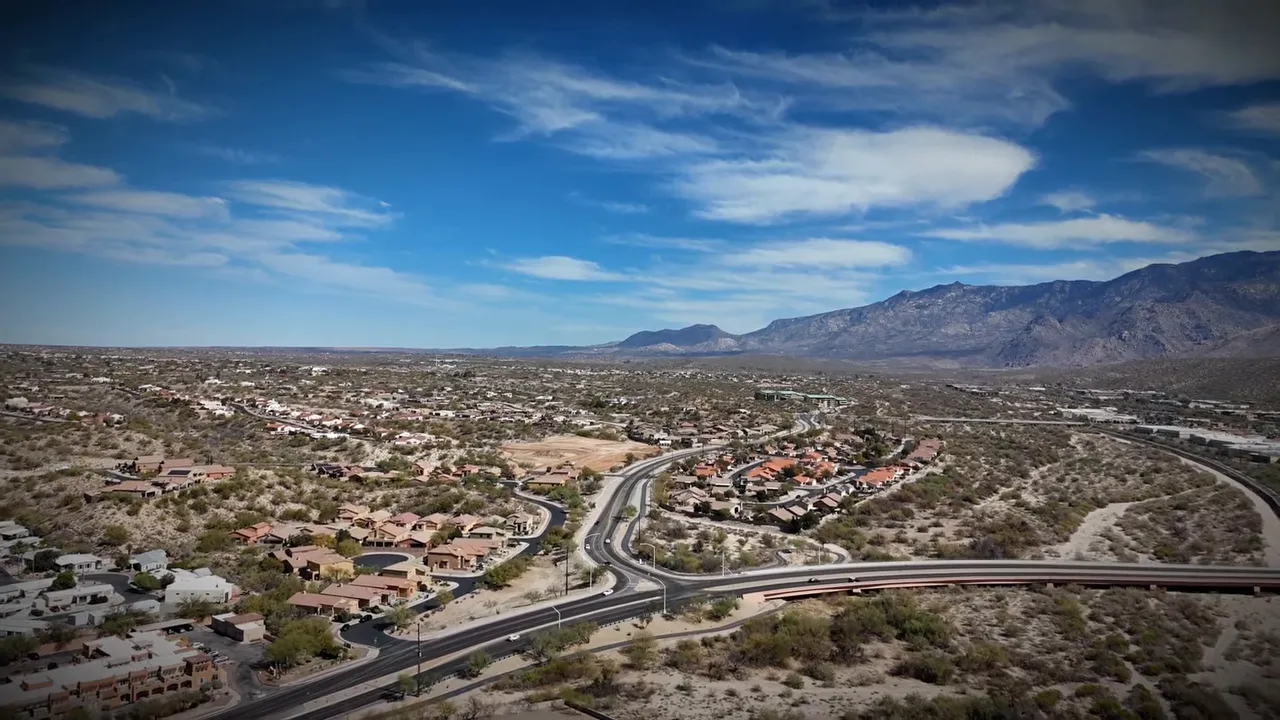
This does not make central Tucson bad. It is vibrant, social, walkable in places, rich with historic neighborhoods, restaurants, and culture. It simply comes with more of the challenges we would expect from a city environment.
Tucson Traffic, Roads, and Daily Commutes
Infrastructure is one of the more practical reasons people reconsider moving to Tucson, AZ. Tucson has a reputation for rough roads, and honestly, that reputation did not come from nowhere. Certain areas have road conditions that can be frustrating.
We also have limited freeway access compared with many metros. Interstate 10 runs along the west side of town, but much of Tucson relies on surface streets and stoplights. A beautiful home in the Catalina Foothills may look close to downtown on a map, but it does not automatically mean a quick commute.
From the Catalina Foothills to downtown, we can expect 30 to 40 minutes in many situations. Fifteen minutes is possible only on an unusually smooth day with little traffic. There is no simple, direct freeway route from one of Tucson’s most desirable areas to I-10.
Older established areas also often have above ground power lines. In neighborhoods such as Oro Valley and the Catalina Foothills, those lines can interrupt what would otherwise be beautiful mountain views. It may sound like a small thing, but it becomes noticeable when we are paying a premium for scenery.
For moving to Tucson, AZ, commute testing matters. Drive the route we would actually use during the times we would actually use it. Do not rely on a map alone.
The Hidden Costs of Buying an Older Tucson Home
A large share of Tucson’s resale inventory, particularly in central and established neighborhoods, consists of homes that are 30 to 50 years old. Character can be a huge selling point, but major systems do not last forever.
When we buy an older home, we need to look beyond paint colors and countertops. The roof, HVAC system, plumbing, and electrical components may be at or near the end of their economic life. In other words, we may not just be buying a house. We may be buying a renovation project that follows shortly after closing.
This is one reason some current owners are leaving older homes behind. Whether they are upsizing or downsizing, the cost of updating an aging property can change the math quickly when compared with new construction.
The new construction market has become more competitive. Builders have been offering rate buydowns, design center credits, lot premium discounts, and discounted move in ready inventory. Interest rates negotiated on many new build spec homes have ranged from 3.99 to 4.75 percent, often below typical resale financing rates.
That means we should not assume a new build is automatically out of reach. When we compare a lower rate, builder warranty, incentives, and the reduced chance of immediately replacing a roof or HVAC system, new construction can be competitive with resale in a way it has not been for a long time.
For anyone moving to Tucson, AZ, compare the total cost, not just the listing price. A less expensive resale home can become more expensive quickly if major repairs and higher financing costs are waiting around the corner.
Why Lifestyle Matters More Than the "Perfect" Neighborhood
The biggest lesson about moving to Tucson, AZ is that the right location depends on our season of life. We may value walkability, proximity to restaurants, historic character, and central culture. Or we may value quiet streets, newer homes, less traffic, and more separation from urban activity.
Central Tucson has a lot going for it. It is lively, culturally rich, full of history, and great for exploring. But it also has more traffic, more street noise, and more visible urban challenges.
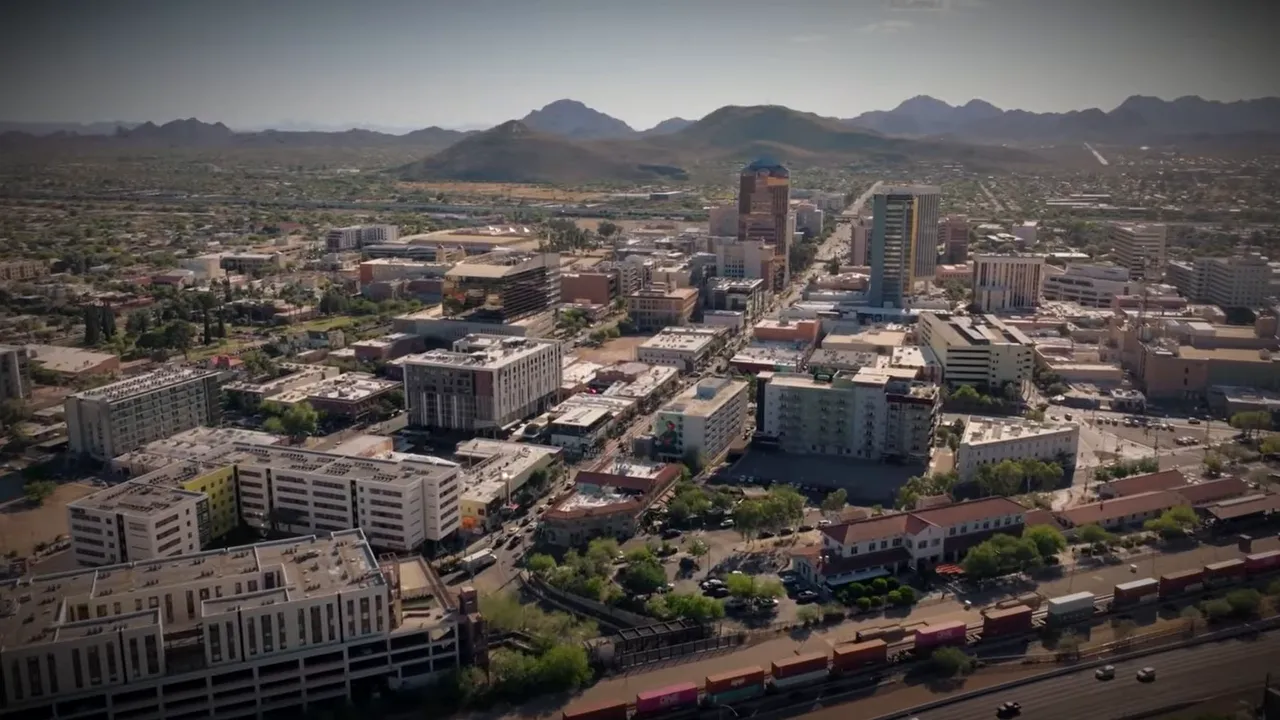
The suburbs offer a different type of lifestyle. They can be quieter and feel more removed from the issues that are common around core city corridors. The tradeoff is usually a longer drive to downtown, the university area, and many of the places that make central Tucson special.
For families, priorities can shift quickly. Peace, quiet, neighborhood comfort, and the ability to let kids play outside can begin to matter more than being five minutes from a favorite restaurant. There is nothing wrong with either choice. We just need to be honest about which tradeoffs fit our lives.
That is why moving to Tucson, AZ should never be treated as a one-size-fits-all decision. We need to choose the version of Tucson that matches our lifestyle, budget, commute, and long term priorities.
Your Moving to Tucson, AZ Checklist Before You Buy
- Visit during warmer weather if possible, not only during the most comfortable season.
- Drive prospective commutes during normal morning and afternoon traffic.
- Walk or drive the immediate neighborhood at different times of day.
- Ask about the age and condition of the roof, HVAC, plumbing, and electrical systems.
- Compare resale homes with current new construction incentives and financing options.
- Decide whether central access or suburban quiet matters more for our lifestyle.
- Consider whether backing to natural desert is exciting, manageable, or a dealbreaker.
Thinking about moving to Tucson, AZ? Whether you're relocating, comparing neighborhoods, or deciding between a resale home and new construction, having local guidance can make all the difference. I'll help you find the right home based on your lifestyle, budget, and long-term goals. Call or text me at (520) 639-9117 to discuss your move, explore the latest new construction opportunities, or get personalized advice before you buy.
Frequently Asked Questions About Moving to Tucson, AZ
Is moving to Tucson, AZ a good idea?
Moving to Tucson, AZ can be a great choice if we enjoy sunshine, desert scenery, mountain views, and the lifestyle of Southern Arizona. The key is choosing the right area and being realistic about heat, commutes, wildlife, home condition, and urban versus suburban tradeoffs.
How hot does Tucson get in summer?
From late May through September, Tucson regularly experiences triple digit temperatures. The intensity of the sun and the length of the hot season are important factors to consider before relocating.
Is Tucson crime getting worse?
FBI 2024 data placed Tucson’s violent crime rate at 589 incidents per 100,000 people. However, University of Arizona MAP Dashboard data showed Tucson metro violent crime declining 41 percent since 2005, with 2024 recording the lowest rate in the previous 20 years.
Which parts of Tucson have the least visible homelessness?
Homelessness is most visible around central Tucson, the University of Arizona area, and major central corridors. Outer suburban communities such as Oro Valley, Marana, Vail, and Sahuarita generally have a very different day to day experience.
Should we buy a resale home or a new build in Tucson?
We should compare both. Older resale homes may offer established neighborhoods and character, but they can bring expensive system updates. New builds may offer builder incentives, lower interest rates, warranties, and fewer immediate maintenance concerns.
Are scorpions and rattlesnakes a major problem in Tucson?
They are part of desert life, especially near natural open space, but many longtime locals coexist with wildlife without frequent or traumatic encounters. Awareness and an understanding of the setting are more important than fear.
Moving to Tucson, AZ is not about finding a flawless city. It is about finding the right fit. Tucson can be vibrant and urban, quiet and suburban, historic and established, or brand new and master planned. Once we understand the real tradeoffs, we can make a smarter decision for ourselves and our families.
Read More: BEST MASTERPLANNED COMMUNITIES IN TUCSON, AZ: AN HONEST GUIDE TO 8 POPULAR NEIGHBORHOODS
Youtube Channel
Watch the latest with Enriched Homes
If you are considering a move to Tucson, we can assist you in navigating the various aspects of living in the city. Our experience encompasses a deep understanding of the local community, enabling us to help individuals and families find their ideal home. Whether you are planning your move now or in the future, feel free to contact us for guidance and support throughout your relocation process. We look forward to assisting you.

Enriched Homes is a Tucson real estate agency specializing in new construction. Rich Jacome, a Certified Appraiser and Realtor with over 2,000 transactions, is dedicated to helping clients achieve their real estate goals. A Tucson native, Rich has deep community ties and is also a committed investor and business coach, advocating for continual growth. Enriched Homes focuses on delivering exceptional service, and Rich's unmatched knowledge of the local market drives him to go the extra mile for clients.