
Moving to Tucson, AZ: Why California, Seattle, Chicago, and New York Buyers Are Coming Here
Moving to Tucson, AZ has become a serious consideration for people leaving California, Washington, Illinois, New York, and other high-cost markets. We see the license plates every day, and anyone who has tried to buy a home here over the past five or six years has felt the competition firsthand.
This is not just a retirement story anymore. Tucson is attracting remote tech workers, young families, mid-career professionals, recent college graduates, and buyers bringing substantial equity from places such as Los Angeles and San Diego. The city is changing, the suburbs are expanding, and the housing market is responding.
For anyone moving to Tucson, AZ in 2026, the opportunity is still very real. But so are the tradeoffs. Here is the honest breakdown of where people are coming from, why they are choosing Southern Arizona, where they are actually buying, and how to approach the market without overpaying.
Moving to Tucson, AZ: The Migration Trends Driving Growth
Arizona is now ranked fourth in the nation for net domestic migration. After accounting for people leaving the state, Arizona added roughly 55,000 residents in the latest year measured.
That is a statewide figure, but the Tucson metro is carrying real weight. Data from the University of Arizona Economic and Business Research Center indicates that the Tucson metro brought in about 26,000 people from out of state in one year.
For decades, people thought of moving to Tucson, AZ primarily as a retirement move. That is only part of the picture now. We are seeing a significantly wider mix of people. Remote work has opened the door for professionals who can keep a larger-market salary while changing their cost of living. Families are looking for more space. Mid-career professionals are looking for a different pace without giving up career stability.
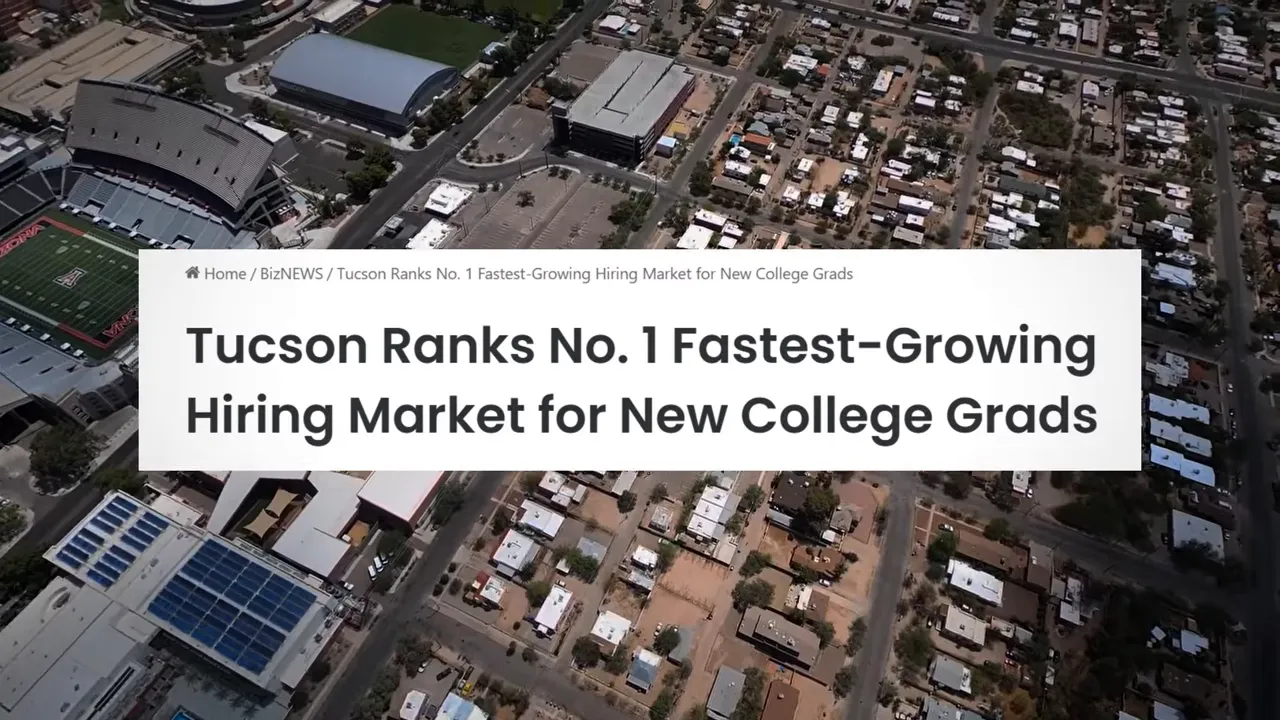
Tucson has also been ranked the number one fastest-growing city in the nation for recent college graduates. That matters because it changes the types of homes, amenities, communities, and job opportunities shaping local demand.
Where People Moving to Tucson, AZ Are Coming From
The data on moving to Tucson, AZ is pretty clear. The largest source of new Tucson residents is the Los Angeles, Long Beach, Anaheim metro area. In a single year, that region sent nearly 3,000 people to Tucson.
San Diego comes next, followed by meaningful inflows from Seattle, Chicago, and New York. These places have different climates and cultures, but they share a similar pressure point: high housing costs and high costs of living.
Many people are not relocating simply because they want a different backdrop. They are making a calculated financial move. They sell a property with considerable built-up equity, then bring that buying power into a market where it can go much further.
That dynamic helps explain why moving to Tucson, AZ has affected housing competition. A buyer who sells a smaller or older house in a coastal California market may arrive with enough equity to make a substantial down payment or purchase with cash. That does not mean every out-of-state buyer is flush with money, but it has absolutely raised the level of competition in many price ranges.
Why More People Are Moving to Tucson, AZ
There are three major reasons people continue moving to Tucson, AZ: housing, affordability, and jobs.
Housing value changes the conversation
The comparison can be dramatic. A median-priced home in San Diego sits around $1.14 million. For that money, buyers may still be looking at an older home that needs work and offers limited space.
Meanwhile, in Oro Valley, one of Tucson's premium suburban areas, a buyer may find a brand-new, roughly 2,500-square-foot home with Catalina Mountain views around $650,000. Prices and available inventory change constantly, of course, but the contrast in purchasing power is the point.
For someone selling a California starter home, buying a newer Tucson home and retaining money in the bank can feel like a complete financial reset. It is one of the clearest reasons moving to Tucson, AZ keeps gaining attention.
Income-tax savings can be substantial
Taxes are another major part of the decision. California's top marginal income-tax rate is 13.3%, while New York's is 10.9%. Arizona has a flat income-tax rate of 2.5%, one of the lowest rates in the country.
For a high-earning remote worker, that difference can create meaningful annual savings. Someone earning $200,000 who relocates from Los Angeles to Tucson may experience what feels like an instant raise based on income-tax savings alone. That savings needs to be weighed against Arizona's relatively high sales tax, but the total financial picture can still be compelling.
Tucson has stable employment anchors
Moving to Tucson, AZ does not require a remote job. Tucson's economy is anchored by large, established institutions. Raytheon employs roughly 13,000 people locally and contributes about $2.6 billion to the regional economy. The University of Arizona, Davis-Monthan Air Force Base, and the healthcare sector led by Banner Health also provide major employment stability.
That institutional foundation is important. It gives Tucson a job base beyond tourism, retirement, and remote work, while helping support the long-term demand created by people moving to Tucson, AZ.
The Suburban Communities Growing Around Tucson
Here is the part that many people miss. The population of Tucson proper can look relatively flat. So where are all these new residents going?
They are largely not moving into central Tucson. They are moving to the suburbs and master-planned communities on the edges of the metro.
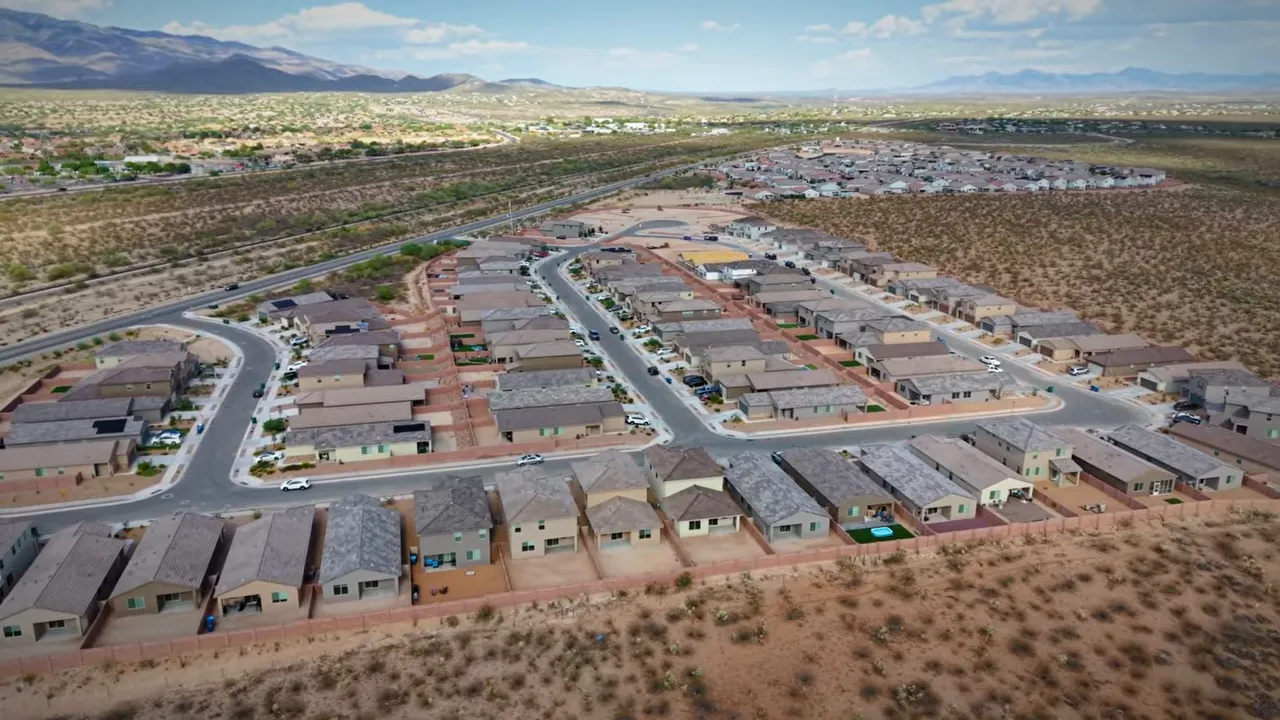
The biggest growth areas include:
- Marana and Oro Valley in the northwest
- Vail and Sahuarita in the southeast
- Gladden Farms
- Dove Mountain
- Rocking K
These communities offer many of the things buyers could not access or afford in their former markets: new construction, community pools, suburban schools, a sense of safety, and more square footage. For families moving to Tucson, AZ, that combination can be difficult to ignore.
The result is a reshaping of Southern Arizona's real estate map. Residential growth is pushing outward, and commercial development is following it. Areas that were open desert ten years ago are now becoming established neighborhoods with schools, retail, services, and major road corridors.
The Reality of Living in Tucson, AZ
We need to be honest. Moving to Tucson, AZ is not perfect, and it is not the right move for everyone.
The summer heat is real
From late May through early September, and sometimes into October, the heat can be brutal. Regular temperatures of 105 to 110 degrees are not unusual. It can feel like standing under a magnifying glass.
Summer life requires adjustment. We plan outdoor activity for early morning or later evening, rely heavily on air conditioning, and spend plenty of time near a pool or indoors. Anyone relocating from San Diego should be especially realistic about the climate shift. Tucson has beautiful weather for much of the year, but summer is not something to casually brush off.
Infrastructure is trying to catch up
Tucson does not have a massive freeway grid like Phoenix. Interstate 10 is the primary east-west corridor, and Interstate 19 serves the route toward Green Valley and Sahuarita. Beyond that, many cross-town trips depend on surface streets.
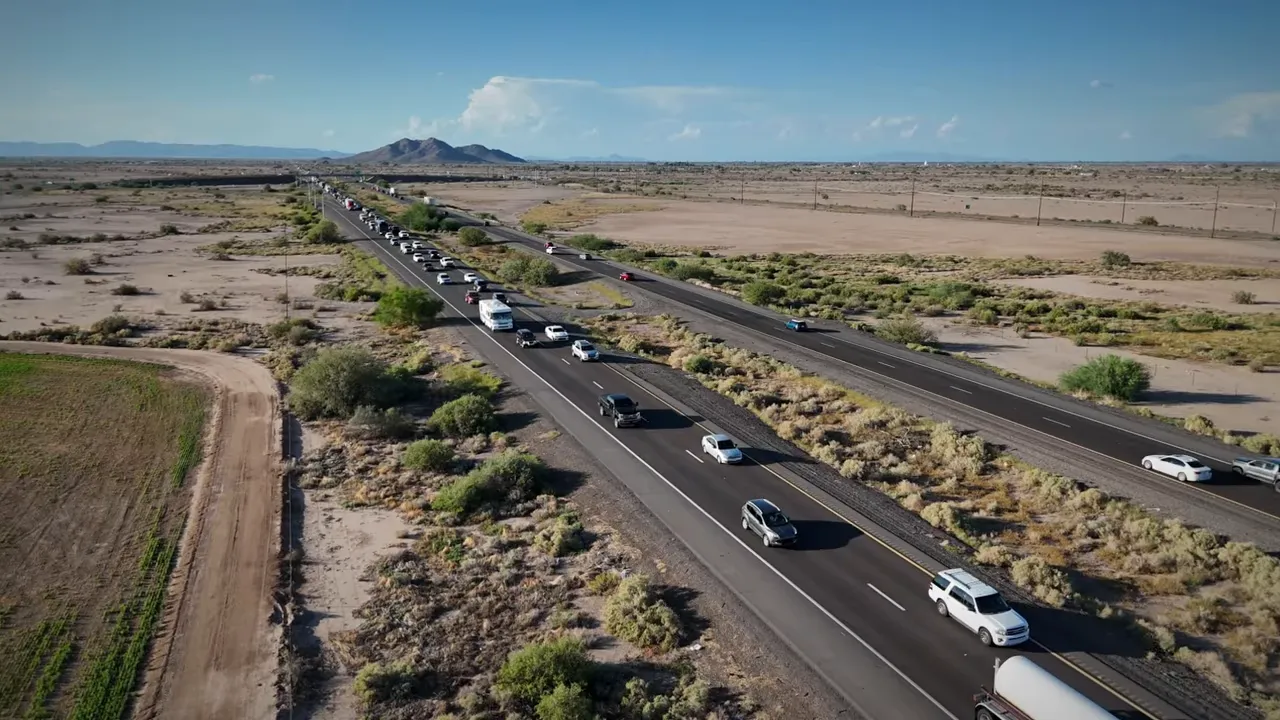
If we live in the far northwest or southeast suburbs and need to commute across town, the drive can become frustrating. Central and midtown roads are also not always in the condition people expect from a rapidly growing metro. These are practical considerations that should influence where we choose to live, especially when moving to Tucson, AZ for work.
Sales tax deserves attention
Property taxes are generally lower than they are in places like Illinois and Texas. However, sales tax is relatively high. The right decision comes from evaluating the whole equation: home price, income tax, property tax, sales tax, job opportunity, commute, and lifestyle.
How Moving to Tucson, AZ Is Affecting the 2026 Housing Market
The influx of out-of-state buyers, including many buyers paying cash or putting down substantial amounts, has permanently elevated the floor of the Tucson housing market. The days of the $150,000 starter home are long gone.
The local median home price is now hovering around $350,000 to $375,000. That is still far below many of the markets sending people here, but it is important not to compare every Tucson home only to California or Seattle pricing.
The encouraging news for moving to Tucson, AZ in 2026 is that the market has stabilized. More inventory is coming online. Builders are offering meaningful incentives on standing inventory. Local buyers are no longer automatically facing 15 cash offers on every home, and buyers have more negotiating power in some situations.
New construction can be especially worth exploring, but builder incentives, pricing, upgrades, and promotions change quickly. The builders that advertise the loudest are not always the most negotiable. Understanding current incentives and the difference between an advertised price and the true all-in cost matters.
Tips for Buying a Home When Moving to Tucson, AZ
The biggest mistake out-of-state buyers can make is assuming that equity from a more expensive market means they should pay whatever a seller asks. A home may look inexpensive compared with Seattle, Los Angeles, or San Diego and still not be a good deal for Tucson.

When moving to Tucson, AZ, we should approach the purchase with a clear plan:
- Define the lifestyle first. Decide whether proximity to work, schools, new construction, mountain views, amenities, or walkability matters most.
- Study the commute. A beautiful home in the far northwest or southeast may not work if the daily drive crosses the metro.
- Compare neighborhood-specific values. Tucson is not one uniform market. Pricing, inventory, schools, taxes, and demand vary considerably by area.
- Negotiate aggressively. Ask about price reductions, seller credits, rate incentives, and builder incentives rather than assuming the listed price is final.
- Take time when possible. The current market is more balanced, so there is less reason to panic-buy the first available property.
Over the past year, our team negotiated more than $1.3 million in combined price reductions and seller credits for 30 buyers, averaging roughly $44,000 per family. Every transaction is different, but it shows why strong negotiation matters in this market.
Tucson is no longer just a quiet retirement destination. It is a city in the middle of a major transformation. Moving to Tucson, AZ can create a better quality of life and a lower overall cost of living, but the best outcome comes from understanding both the upside and the realities before committing.
Planning on moving to Tucson, AZ? Whether you're relocating from across the country or just exploring your options, I'm here to help you make a confident move. From finding the right neighborhood to navigating new construction homes and builder incentives, I'll guide you every step of the way. Call or text me at (520) 639-9117 for personalized advice and expert local guidance tailored to your relocation goals.
FAQs About Moving to Tucson, AZ
Why are so many people moving to Tucson, AZ?
Housing value, lower income taxes, and stable employment are major reasons. Many people arrive from high-cost metros such as Los Angeles, San Diego, Seattle, Chicago, and New York, where home equity can stretch much further in Tucson.
Which areas are growing fastest around Tucson?
Much of the growth is occurring in suburban and master-planned communities rather than central Tucson. Marana, Oro Valley, Vail, Sahuarita, Gladden Farms, Dove Mountain, and Rocking K are among the areas seeing strong interest.
Is moving to Tucson, AZ still affordable in 2026?
Tucson remains more affordable than many coastal and northern metros, but local pricing has risen substantially. Median home prices are around $350,000 to $375,000, and buyers should evaluate each neighborhood on its own merits rather than assuming every home is a bargain.
Is Tucson a good place for remote workers?
It can be a strong fit for remote workers who want lower housing costs and a lower income-tax rate than states such as California or New York. Tucson also has established local employers, so it is not solely dependent on remote work.
What should we know before moving to Tucson, AZ?
Be prepared for intense summer heat, a limited freeway network, potentially long cross-town commutes, and relatively high sales tax. Balance those factors against home prices, property taxes, income-tax savings, employment options, and the lifestyle offered by each area.
Read More: MOVING TO TUCSON, AZ: 5 HONEST REASONS TO THINK TWICE BEFORE MAKING THE MOVE


Youtube Channel
Watch the latest with Enriched Homes
If you are considering a move to Tucson, we can assist you in navigating the various aspects of living in the city. Our experience encompasses a deep understanding of the local community, enabling us to help individuals and families find their ideal home. Whether you are planning your move now or in the future, feel free to contact us for guidance and support throughout your relocation process. We look forward to assisting you.
Enriched Homes is a Tucson real estate agency specializing in new construction. Rich Jacome, a Certified Appraiser and Realtor with over 2,000 transactions, is dedicated to helping clients achieve their real estate goals. A Tucson native, Rich has deep community ties and is also a committed investor and business coach, advocating for continual growth. Enriched Homes focuses on delivering exceptional service, and Rich's unmatched knowledge of the local market drives him to go the extra mile for clients.