
Tucson Real Estate Market: Smart Buying Strategies for 2026
The Tucson real estate market is moving faster than it has in years, and a lot of the old buying advice simply does not apply anymore. The biggest mistake we see is assuming every home, neighborhood, builder, and seller is operating under the same conditions. They are not.
One buyer may find a fully renovated Catalina Foothills home under $600,000 with multiple competing offers. Another may find a new construction home in Marana or Vail where the builder is carrying inventory and willing to stack substantial incentives. Those are two completely different negotiations within the same Tucson real estate market.
The key is not trying to predict every headline. It is understanding where leverage exists, what costs are hiding below the list price, and how to structure an offer around the realities of the specific property.
Key Takeaways
- New construction can produce a lower monthly payment than resale homes when builder rate buydowns and warranties are included.
- Builder fiscal year-end periods and quick-closing spec homes can create the strongest incentive opportunities.
- Older homes may carry $40,000 to $80,000 in deferred maintenance if major systems have not been updated.
- Market conditions vary sharply by neighborhood, price point, home condition, and whether the property is resale or new construction.
Table of Contents
- Tucson New Builds vs Resale Homes
- Tucson New Construction: Why Representation Matters
- Tucson Builder Negotiations: When to Buy
- Tucson Water Security: What Buyers Should Verify
- Buying in Tucson Before Your Home Sells
- Cash Offers in the Tucson Real Estate Market
- Tucson Home Insurance: Hidden Costs to Consider
- Tucson Older Homes: The Deferred Maintenance Trap
- Tucson Mortgage Rates: Should You Wait?
- Tucson Builder Lenders: How to Use Them Strategically
- Tucson Real Estate Market: Why Location Matters
Tucson New Builds vs Resale Homes
Most buyers start with the assumption that a resale home must be the more affordable option. Right now, that is often completely wrong in the Tucson real estate market.
The on-paper gap between a resale and a new build can be surprisingly small, sometimes only $5,000 to $10,000. But builders are frequently offering rate buydowns of 1% to 2% on a 30-year fixed loan. That can change the entire equation.
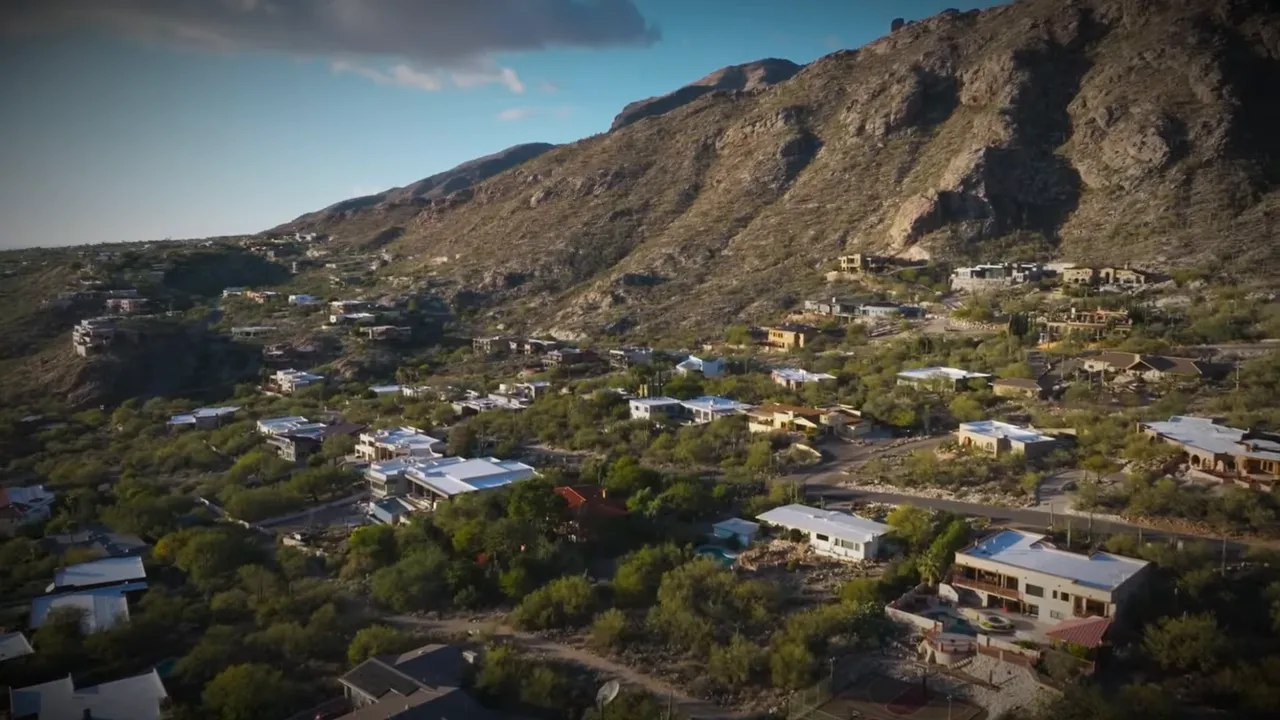
A new home that costs slightly more can potentially save $300 to $500 per month on the mortgage payment once a builder-funded rate buydown is included. Add new systems, manufacturer warranties, updated energy features, and finishes chosen closer to your preferences, and the math can heavily favor new construction.
We need to compare the full ownership picture:
- Purchase price and monthly principal and interest payment
- Rate buydown incentives and closing-cost assistance
- Expected replacement costs for roof, HVAC, windows, and water heater
- Appliance, window-covering, landscaping, and warranty value
- Flex cash that can be directed toward buyer priorities
For cash buyers, the opportunity can be different but still substantial. The strongest negotiations are not always about demanding a giant price reduction. We can seek appliances, blinds, front-yard landscaping, move-in packages, and other concessions that reduce what it takes to get settled.
Tucson New Construction: Why Representation Matters
There is one point we need to be crystal clear about: the builder's agent works for the builder. That is their job. They may be helpful and professional, but their responsibility is to represent the builder's interests, not ours as the buyer.
Representation matters because the advertised incentive is rarely the final offer. The biggest new-build negotiations usually happen on completed or near-complete spec homes that can close within about 60 days. Builders do not like carrying costs, so a clean, quick path to closing can create real leverage.
That leverage can include a combination of:
- Price reductions
- Permanent or temporary rate buydowns
- Flex cash for appliances, landscaping, or closing costs
- Move-in packages and included upgrades
We also need current intelligence. A builder may say an incentive is the best they can do, but recent negotiations with that same builder can reveal whether there is more room. In one recent new-build transaction, the combined value of price reductions, rate buydown incentives, and flex cash exceeded $110,000.
Tucson Builder Negotiations: When to Buy
Timing can be just as important as the offer itself. Publicly traded builders have fiscal targets to hit, and their fiscal year-end can be one of the most favorable windows for aggressive negotiation.
When a builder needs a home sold and closed before a reporting deadline, they can be more motivated to make the numbers work. We saw this with Mattamy Homes at the end of its fiscal year in May. By focusing on homes that could close within 60 days, buyers collectively negotiated nearly $500,000 in incentives.
That does not mean every builder will offer the same deal, and incentives can change without notice. It means we should ask a better question than, “What is the current promotion?” We should ask which builders have inventory in the areas we like, what homes can close quickly, and whether a fiscal deadline is approaching.
Tucson Water Security: What Buyers Should Verify
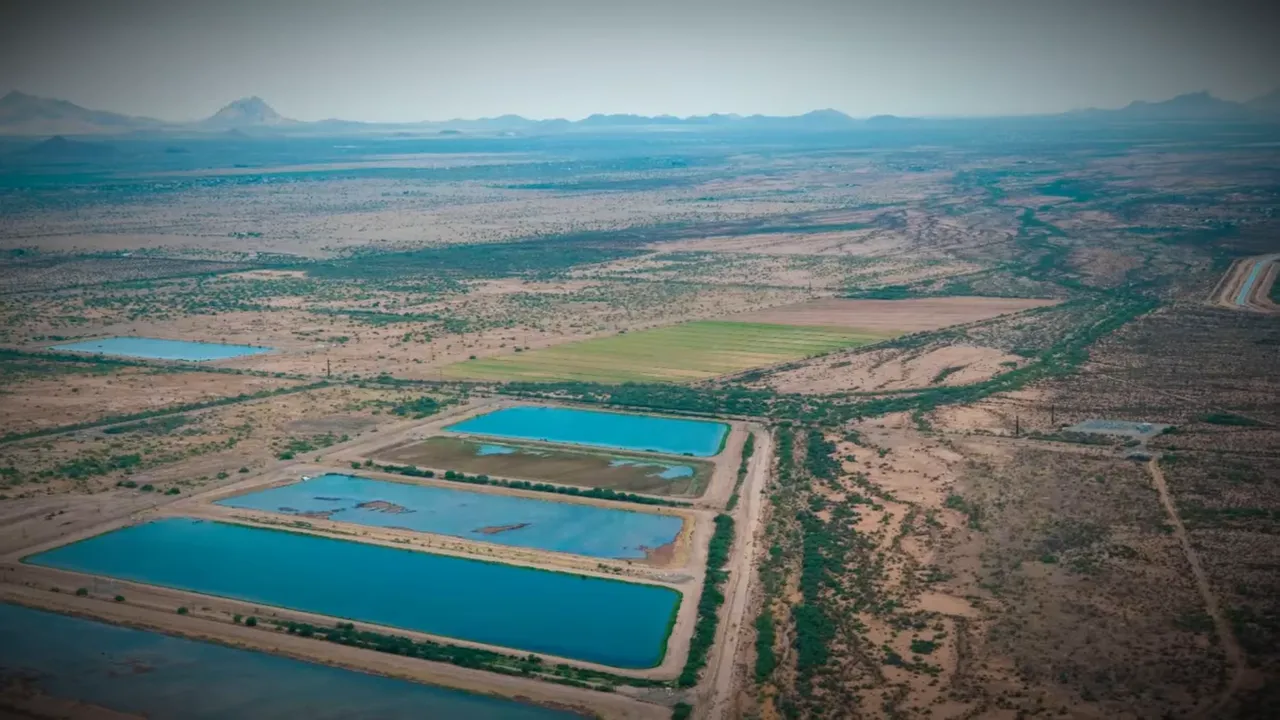
Water is a valid question for anyone considering a desert city, especially for people moving from out of state. The Tucson real estate market is often discussed alongside alarming water headlines from elsewhere in Arizona, but Tucson is a different story.
Tucson has a 100-year assured water supply, banks Colorado River water, and operates an extensive reclaimed-water system. Tucson also has a notably positive water-conservation trend compared with many Southwestern communities.
We should still treat water as a due-diligence item, not something to dismiss. The practical question is what a city is doing to conserve and manage supply over time. Tucson's water system should not be confused with the circumstances in places such as Rio Verde or some unincorporated areas north toward Phoenix.
For locals, the perspective is simple: despite living in a desert, there has not been a lived experience of household water rationing or the city being close to running out of water. That does not erase the importance of conservation. It provides useful context for evaluating the headline noise.
Buying in Tucson Before Your Home Sells
Relocating buyers often need equity from their current home for the down payment in Tucson. A traditional contingent offer can work on a resale property, but new-home builders are more restrictive. In many cases, they will only consider a sale contingency when the departing home is already under contract to close.
That does not mean we have to perfectly time two closings or give up on the right home. Two potential strategies can create a bridge between the old house and the new one:
- Bridge loan: An interim loan designed to help purchase the next home before equity from the departing home is available.
- HELOC: A home equity line of credit on the departing home that can often be opened in two or three weeks, allowing us to access equity for a down payment.
How a Loan Recast Can Change the Payment
Once the prior home sells, many loans allow a recast. Rather than refinancing, we apply the sale proceeds to the principal balance on the new home. The lender then re-amortizes the loan payment as though that larger down payment had been made at the beginning.
The result can be a materially lower monthly payment without starting over with a new loan. There is often a nominal fee, around $500, but the option must be confirmed in the actual loan terms. The point is that a buyer does not necessarily need to wait for the old home to close before moving forward in the Tucson real estate market.
Cash Offers in the Tucson Real Estate Market
Cash is still powerful, but it does not automatically mean a massive discount off the list price. The real value is speed and certainty. A cash offer typically removes financing and appraisal contingencies, giving a seller or builder more confidence that the deal will close.
That confidence can be exchanged for terms that matter just as much as price. We can negotiate for closing-cost coverage, expensive appliances to remain, a preferred closing timeline, repairs, or other terms that make the purchase more convenient. In this Tucson real estate market, cash is a tool for constructing the strongest overall offer.
Tucson Home Insurance: Hidden Costs to Consider
Buyers relocating from California, Texas, or Florida are often used to annual homeowner insurance costs of $4,000, $8,000, or more. Tucson can be a welcome surprise. Because we do not have hurricanes, tornadoes, or major earthquakes, a typical policy is often in the $1,000 to $1,500 annual range.
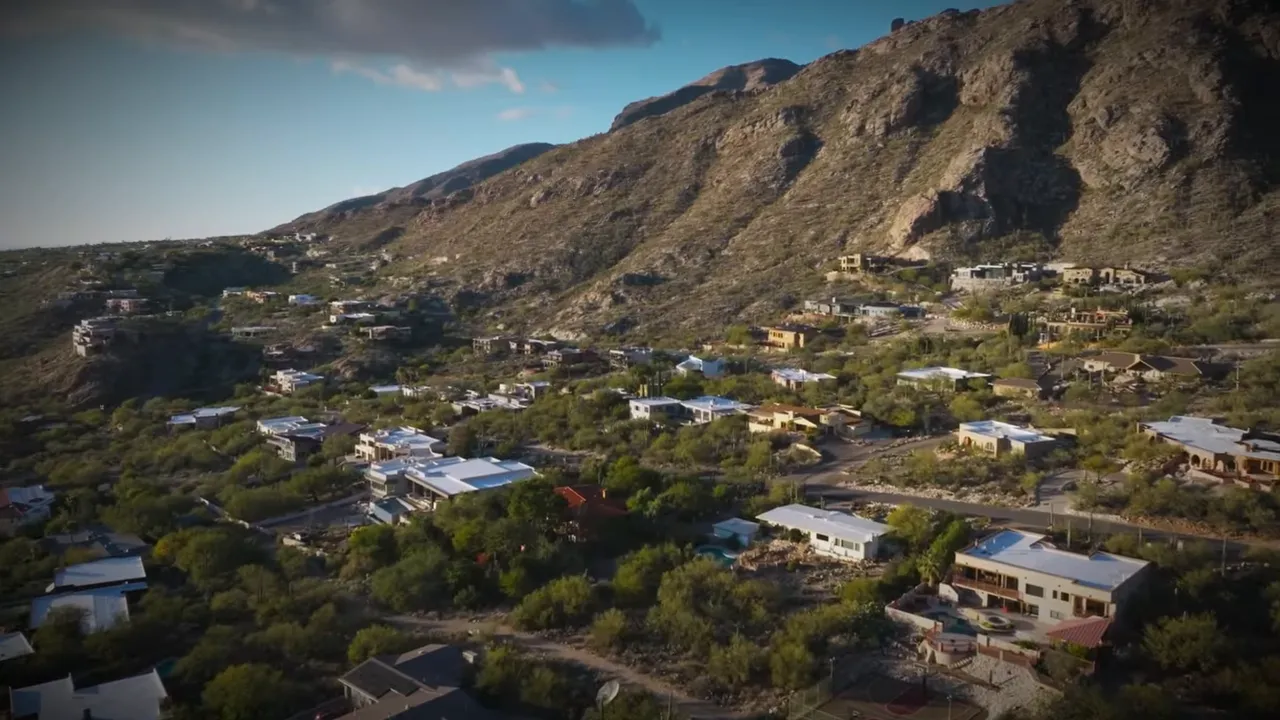
That difference can make a meaningful impact on the overall monthly housing payment. But there are important exceptions. A FEMA-designated flood area can require costly flood insurance, and homes in higher-risk areas around the Catalina Foothills may warrant careful consideration of fire-related insurance exposure.
Before closing, we need to identify those risk overlays early. Lower base premiums are a real advantage, but only if we avoid buying a property with an insurance issue that changes the equation.
Tucson Older Homes: The Deferred Maintenance Trap
Established Central Tucson, East Side, Tanque Verde , Northwest Tucson, Oro Valley , Vail, and Sahuarita neighborhoods offer beautiful lots, mature landscaping, and homes with great bones. But a large share of homes built from roughly 1980 to 1995 now have major components at or beyond their typical useful life.
This is where the list price can become very misleading. A home built in 1992 is now more than 30 years old. If the major systems have not been replaced, the buyer may be inheriting a looming renovation bill.
- Roof: Typical lifespan of 20 to 25 years. Replacement can run about $15,000 to $25,000.
- HVAC: Usually 15 to 20 years, while working especially hard in Tucson from April through October. A replacement can range from about $8,000 to $15,000, or $20,000 to $30,000 for larger homes with multiple systems.
- Water heater: Often lasts 10 to 12 years, with replacement generally around $1,500 to $3,000.
- Windows: Older single-pane and 1990s dual-pane windows can be inefficient in desert heat. Replacing windows in a 2,000-square-foot home may cost roughly $10,000 to $20,000.
- Pool: Resurfacing and equipment updates can add another $5,000 to $15,000.
Add those items together and deferred maintenance can land anywhere from $40,000 to $80,000. Some sellers have already done the work, and those homes are usually priced accordingly. Others have not, which is why we need a real cost analysis before making an offer in the Tucson real estate market.
Tucson Mortgage Rates: Should You Wait?
Waiting for rates to fall sounds safe, but it can become its own trap. If rates fall to 5%, many more buyers may re-enter the market at the same time and compete for the same homes. That increased competition can push prices up and remove the negotiating leverage available today.
The more strategic play may be securing a favorable price, builder incentive, and rate buydown while leverage exists. A future refinance may be possible if rates improve, but we cannot go back and renegotiate the price paid for the house.
Current 30-year fixed mortgage rates remain below the 50-year average of approximately 7.9%, and builder incentives can push effective rates lower still. The best move depends on the property, loan terms, and long-term plan, but waiting should be an intentional decision, not an automatic one.
Tucson Builder Lenders: How to Use Them Strategically
Should we use a builder's lender? Often, yes, but strategically. Builders commonly tie their biggest incentives to their in-house lending operation. Because they are earning from multiple parts of the transaction, they can sometimes pass meaningful savings back through rate buydowns, closing-cost credits, or pricing incentives.
That said, we still need to review the rate, points, lender fees, and full cost sheet. A large incentive is only valuable if inflated fees are not quietly absorbing it. Builder financing is frequently competitive, but every offer needs to be evaluated against the actual numbers.
Tucson Real Estate Market: Why Location Matters
Is the Tucson real estate market a buyer's market or a seller's market? The honest answer is that it is both, depending on the micro-market.
A fully updated, move-in-ready home in the Catalina Foothills under $600,000 can still be a strong seller's market because quality inventory is scarce and demand is high. We should expect competition and prepare an offer accordingly.
On the other hand, a new build in Marana or Vail may be a clear buyer's market if builders are standing on completed inventory. That is where we can be much more aggressive about incentives, price, rate buydowns, and terms.
There is no single strategy for the entire Tucson real estate market. The right strategy comes from identifying the exact micro-market, the condition of the home, the seller's or builder's motivation, and the real cost of ownership after closing.
Frequently Asked Questions About the Tucson Real Estate Market
Are new builds cheaper than resale homes in Tucson?
They can be cheaper on a monthly-payment basis. A new build may cost slightly more upfront, but builder-funded rate buydowns, warranties, and fewer immediate replacement needs can make the full cost of ownership more favorable than an older resale home.
Can we buy a Tucson home before our current house sells?
Potential options include a bridge loan or a HELOC on the departing home. After that home sells, a loan recast may allow the proceeds to be applied to the new loan principal and lower the monthly payment, subject to the loan terms.
Is Tucson water secure for people moving to the area?
Tucson has a 100-year assured water supply, stored Colorado River water, a reclaimed-water system, and a strong conservation trend. Water conservation remains important in a desert city, but Tucson's situation differs from water challenges reported in some other Arizona communities.
Is the Tucson real estate market a buyer's market in 2026?
It depends on the micro-market. Updated homes in high-demand areas can still attract strong competition, while builders with inventory in areas such as Marana and Vail may offer meaningful buyer leverage through incentives and terms.
Ready to make a smarter move in the Tucson real estate market? Whether you're comparing new construction and resale homes, negotiating builder incentives, or trying to buy before selling your current home, I can help you navigate the numbers and find the right strategy for your situation. Call/text me at 520-639-9117 or connect with me here to get started.
READ MORE: Tucson Real Estate Market: What the 50% Price-Cut Rate Means



Youtube Channel
Watch the latest with Enriched Homes
If you are considering a move to Tucson, we can assist you in navigating the various aspects of living in the city. Our experience encompasses a deep understanding of the local community, enabling us to help individuals and families find their ideal home. Whether you are planning your move now or in the future, feel free to contact us for guidance and support throughout your relocation process. We look forward to assisting you.

Enriched Homes is a Tucson real estate agency specializing in new construction. Rich Jacome, a Certified Appraiser and Realtor with over 2,000 transactions, is dedicated to helping clients achieve their real estate goals. A Tucson native, Rich has deep community ties and is also a committed investor and business coach, advocating for continual growth. Enriched Homes focuses on delivering exceptional service, and Rich's unmatched knowledge of the local market drives him to go the extra mile for clients.