
Tucson Is the Only UNESCO City of Gastronomy in America: A Local's Guide to Where to Eat and Live
Most people who move to Tucson never figure out where to actually eat. They land at the airport, drive past 23 miles of some of the best Mexican food in the country, and end up Googling "best restaurants near me" from a subdivision that puts them 40 minutes from anything worth the drive. Tucson is the only city in America named a UNESCO City of Gastronomy, but that designation doesn't mean much if you buy a house in the wrong part of town.
I'm Rich Jacome, a 4th-generation Tucson native, real estate appraiser, and realtor. I've spent my entire life here, and I'm a lifelong foodie. This one's different from my usual market breakdowns. I'm giving you the Tucson I actually eat in, not the one I analyze for clients. The 23-mile corridor of Mexican food that newcomers drive right past. The Tucson baker named the best in the entire country. The one recent spot that missed for me. And at the end, the three restaurants I'd genuinely be sad about if you moved here and never went.
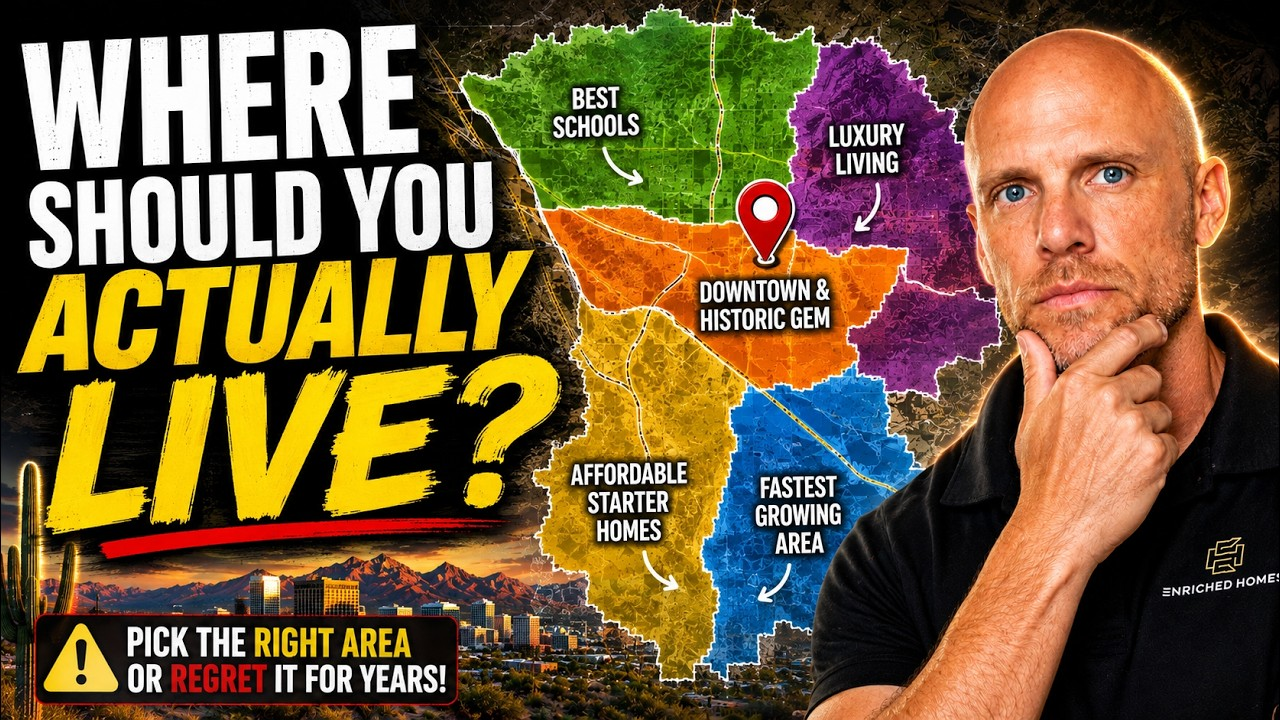
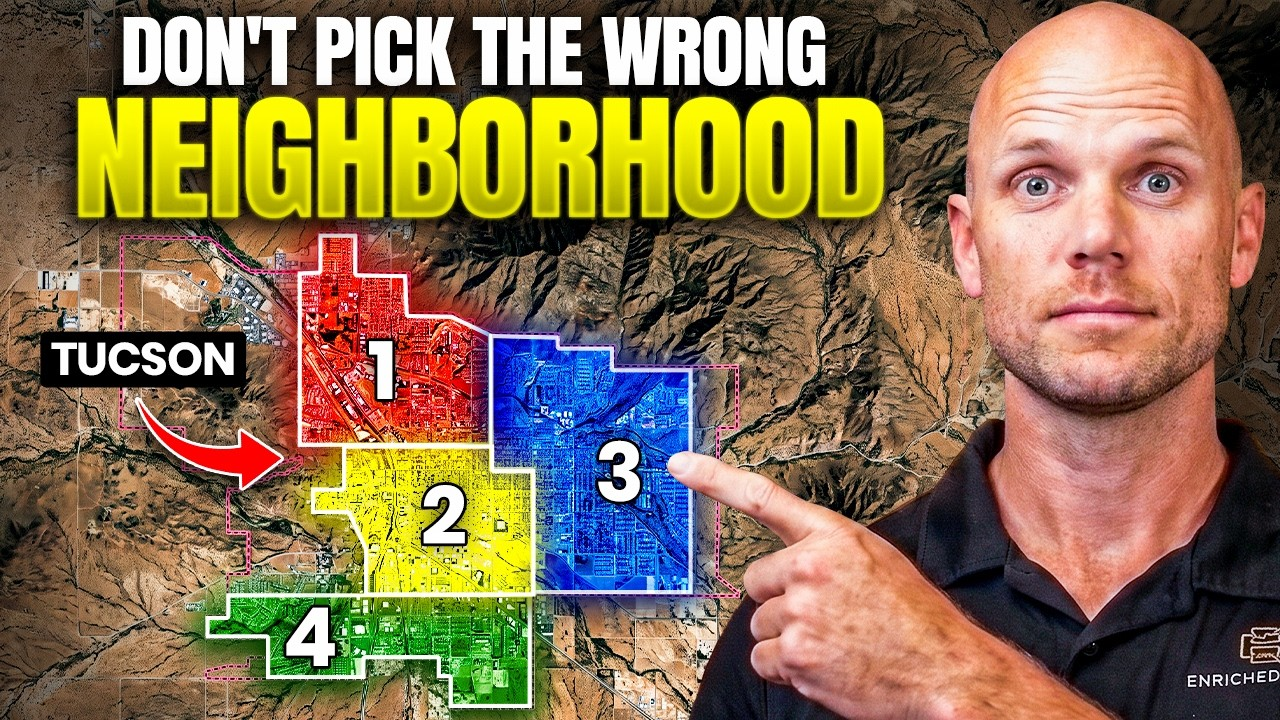
Then the part nobody tells relocators: where you live in this city changes how much great food you can actually get to, and it's not about how far you are on the map. I'm breaking down exactly which neighborhoods to live in if food matters to you. We'll cover Downtown, Sam Hughes, Armory Park, Miramonte, and why Marana and Vail eat better than you'd expect.
Table of Contents
- What UNESCO City of Gastronomy Actually Means for Tucson
- The 23-Mile Mexican Food Corridor You're Driving Past
- The Best Baker in America Is Right Here
- Food Events Worth Timing a Trip Around
- The One Recent Spot That Missed
- My Three Must-Experience Restaurants
- Where You Buy Decides What You Eat: Tucson Neighborhoods for Foodies
- Which Tucson Neighborhood Is Right for You
- Conclusion
What UNESCO City of Gastronomy Actually Means for Tucson
Tucson earned the UNESCO City of Gastronomy designation, and it's the only city in America that holds it. That's not a tourism slogan. It's recognition of a 4,000-year agricultural history in the Sonoran Desert, a living food culture that connects indigenous farming traditions to what you can still eat today, and a culinary identity that doesn't exist anywhere else in the country.
What it means in practice: Tucson has Sonoran food, not Tex-Mex. It has mesquite flour, tepary beans, cholla buds, and prickly pear in ways that aren't novelty menu items. It has family-run taquerías that have been in the same spot for decades, and a food scene that doesn't chase trends from Phoenix or California. The UNESCO designation is about continuity and authenticity, not Michelin stars.
But here's the thing: most people who relocate here never experience it. They move to the northwest side or Vail, they eat at the same chains they left behind, and they never understand what made Tucson worth the designation in the first place. If food matters to you, where you live in this city is a real estate decision, not just a lifestyle preference.
The 23-Mile Mexican Food Corridor You're Driving Past
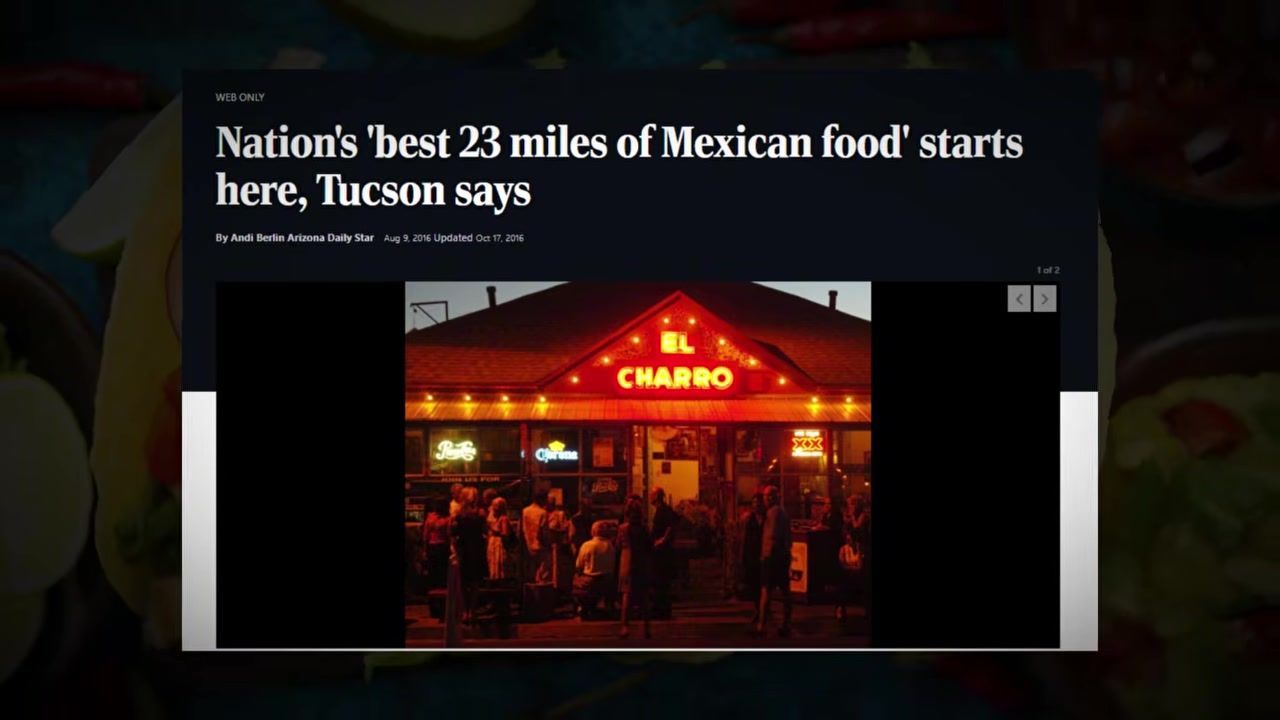
South 12th Avenue is 23 miles of authentic Sonoran food, and it's the stretch of Tucson that most newcomers drive right past on their way to somewhere else. This isn't the polished downtown restaurant scene. This is where locals eat, where the menus are half in Spanish, and where you'll find some of the best Mexican food in the city.
I'm talking about taquerías, bakeries, and family-run spots that don't have Instagram accounts or Yelp strategies. The kind of places where the carne asada is grilled outside, the tortillas are made fresh, and the salsa bar has six options you've never seen before. This is Sonoran food: flour tortillas, not corn. Chimichangas that were invented here. Carne seca. Cheese crisps. Mesquite-grilled everything.
The problem for relocators is that South 12th Avenue isn't close to the neighborhoods most people are shown when they're house hunting. If you're buying in Oro Valley or Marana or Vail, you're not driving 23 miles south for a Tuesday dinner. You're eating wherever's nearby, and that's usually not this. So if authentic Mexican food is part of why you're moving to a UNESCO City of Gastronomy, you need to think about proximity before you make an offer.
Why Most Buyers Miss This Corridor
South 12th Avenue doesn't look like the Tucson that gets marketed to relocators. It's not the desert views or the resort-style subdivisions. It's working-class neighborhoods, older housing stock, and a stretch of the city that doesn't show up in the glossy relocation guides. But it's also the most authentic food culture in Tucson, and if you care about that, you need to live close enough that it's part of your weekly routine, not a special occasion drive.
The Best Baker in America Is Right Here
Tucson has a baker who was named the best in the entire country, and it's not a secret among locals. I'm not going to name the spot here because I want you to do your own research when you visit, but this is the kind of place that makes Tucson's food scene more than just Mexican food. We're talking about bread, pastries, and technique that would hold up in any city in America, and it's right here in a town that most people think of as a retirement destination or a college town.
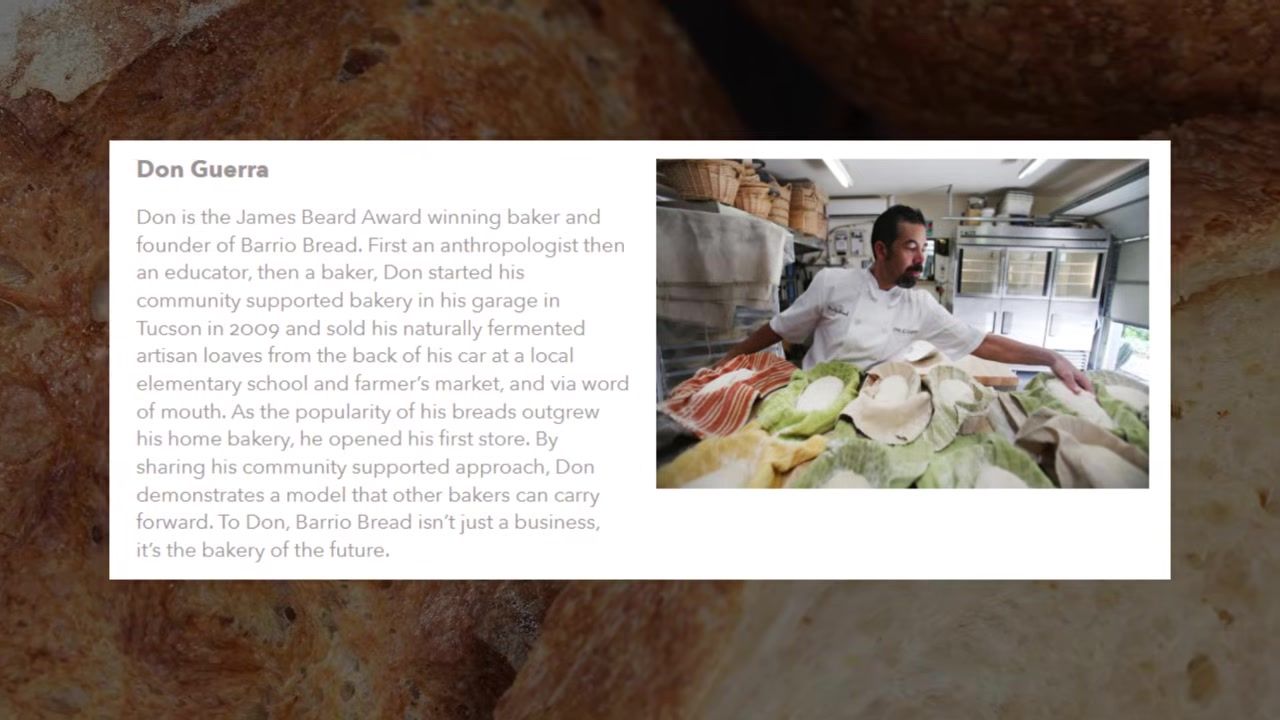
This is what the UNESCO designation is really about. It's not just one type of food. It's a city where food culture runs deep enough that you get world-class baking, Sonoran taquerías, and indigenous ingredients all in the same place. But again, if you're living in the wrong neighborhood, you're not going to stumble onto this. You're going to end up at the chain bakery in your subdivision's shopping center.
Food Events Worth Timing a Trip Around
Tucson has food events that are worth timing a trip around if you're serious about understanding what makes this city different. I'm talking about events that showcase the agricultural history, the indigenous food traditions, and the living culture that earned Tucson the UNESCO designation.
These aren't food truck festivals or generic wine-and-dine fundraisers. These are events that connect you to the 4,000-year food story of the Sonoran Desert. Mesquite flour tastings. Tepary bean dinners. Cholla bud harvests. Prickly pear everything. If you're relocating here and food is part of your decision, plan a trip around one of these events before you buy. You'll get a sense of whether this is the Tucson you actually want to live in, or whether you're better off in Scottsdale.
Why Events Matter for Relocators
If you're moving here from out of state, it's easy to visit Tucson, eat at a couple of downtown restaurants, and think you understand the food scene. You don't. The events give you access to the parts of Tucson's food culture that aren't on Yelp. They're also a good test of whether you're willing to engage with the city's actual identity, or whether you're just looking for good weather and low property taxes.
The One Recent Spot That Missed
I'm not going to sugarcoat this: there's a recent restaurant that missed for me. It's getting a lot of buzz, it's in a prime location, and it's the kind of place that shows up on every "best new restaurants in Tucson" list. But when I went, it felt like a restaurant trying to be something Tucson isn't. The food was fine. The vibe was fine. But it didn't feel connected to what makes Tucson's food scene worth the UNESCO designation.
This is the risk with any city that gets national attention for food. You start getting restaurants that are chasing acclaim instead of serving the community. I'm not saying don't go. I'm saying manage your expectations, and don't assume that the newest spot is the best representation of what Tucson food is actually about.
My Three Must-Experience Restaurants
If you moved to Tucson and never went to these three restaurants, I'd genuinely be sad about it. These aren't the only great restaurants in the city, but they're the ones that I think capture what makes Tucson different from Phoenix, Albuquerque, or any other Southwestern city.
Restaurant one is the kind of place that reminds you why Tucson earned the UNESCO designation. It's not fancy. It's not trying to impress food critics. It's just deeply rooted in Sonoran food culture, and everything on the menu tastes like it's been made the same way for decades. If you want to understand what authentic Sonoran food is, this is where you start.
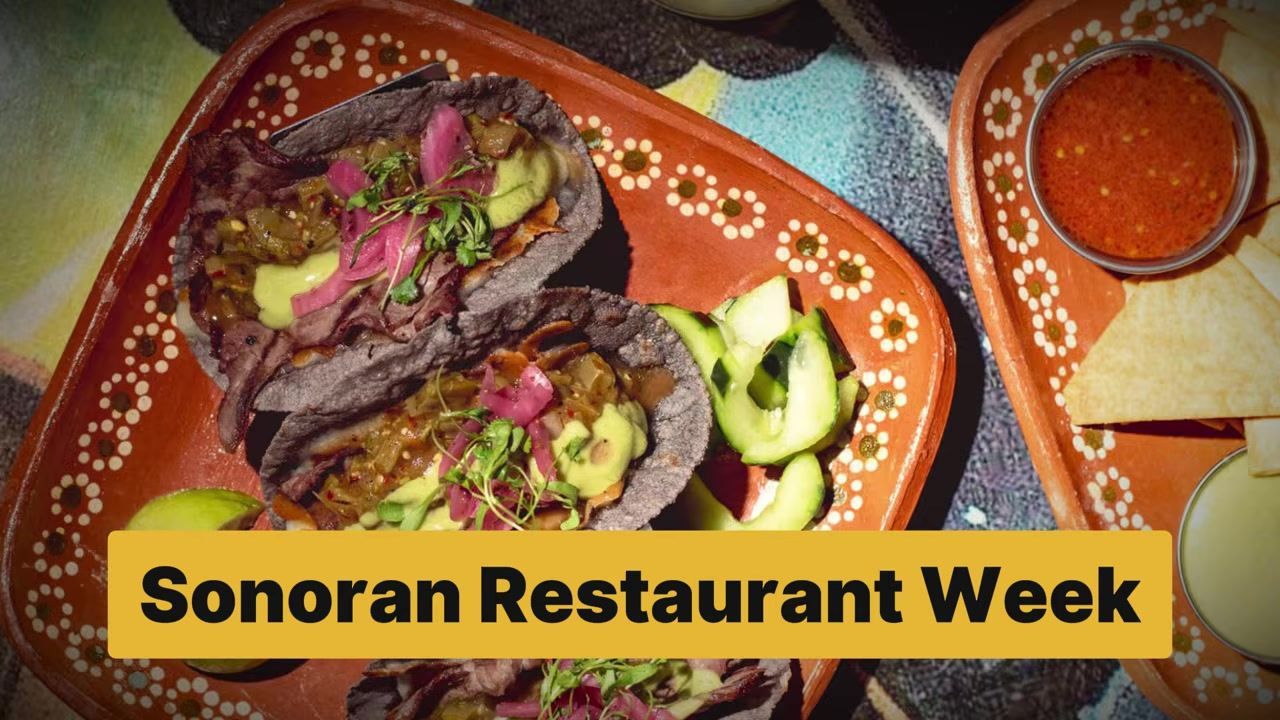
Restaurant two is where I take people who think Tucson is just Mexican food and cactus. This spot proves that Tucson's food scene has range, that the UNESCO designation isn't just about one cuisine, and that you can eat as well here as you can in cities twice the size. The technique is there. The ingredients are local. The vibe is Tucson.
Restaurant three is the one I'd be sad about if you never went because it's the most fun. It's not the most important meal you'll have in Tucson, but it's the one you'll remember. Great atmosphere, solid food, and the kind of place that makes you glad you live here instead of somewhere else.
I'm not naming them here because I want you to ask locals, do your own research, and figure out what resonates with you. But if food is part of why you're moving to Tucson, these three should be on your list within the first month.
Where You Buy Decides What You Eat: Tucson Neighborhoods for Foodies
Here's the part nobody tells relocators: where you live in Tucson changes how much great food you can actually get to, and it's not about how far you are on the map. It's about traffic patterns, freeway access, and whether the neighborhoods between you and the food are places you're willing to drive through on a Tuesday night.
Downtown Tucson is the obvious answer if food matters to you. You're walking distance to a dozen great restaurants, you're a short drive to South 12th Avenue, and you're close enough to everything else that nothing feels like a special occasion. The trade-off is housing stock. Downtown Tucson is older homes, condos, and lofts. If you want new construction or a big yard, you're looking somewhere else.
Sam Hughes is one of the best neighborhoods in Tucson for food access without living in a high-rise. You're close to the University of Arizona, which means you're close to the restaurants that serve students and faculty. You're also close enough to downtown that you can get there in ten minutes, and you're not fighting traffic to get to South 12th Avenue. Sam Hughes is historic homes, tree-lined streets, and walkability. It's also expensive by Tucson standards, and inventory is tight.
Armory Park is another historic neighborhood that puts you close to downtown restaurants and South 12th Avenue. It's a little grittier than Sam Hughes, a little more affordable, and a little more mixed in terms of housing condition. But if food access is your priority and you're willing to renovate, Armory Park gets you there.
Miramonte is farther out, but it's one of the neighborhoods on the east side that still keeps you close enough to the food scene that it doesn't feel like a compromise. You're not walking to restaurants, but you're also not driving 40 minutes every time you want something other than chain food. Miramonte is newer homes, more space, and a better option if you need a yard or a garage.
Why Marana and Vail Eat Better Than You'd Expect
Marana and Vail are on opposite ends of the Tucson metro, and they're both farther from the core food scene than the neighborhoods I just listed. But they eat better than you'd expect because they've both developed their own restaurant scenes in the last ten years. Marana has benefited from growth on the northwest side, and Vail has a surprising number of local spots that serve the buyers who've moved out there for space and schools.
The trade-off is that you're not getting the same depth of food culture. You're not close to South 12th Avenue. You're not walking to a James Beard-level bakery. But if you need a bigger house or a better school district, and you're okay with driving when you want the full Tucson food experience, Marana and Vail are viable options.
The Neighborhoods That Don't Work for Foodies
Oro Valley is beautiful, safe, and full of new construction. It's also 30 minutes from the food scene that makes Tucson a UNESCO City of Gastronomy. If food is a priority, Oro Valley is a compromise. You'll eat well by suburban standards, but you won't eat well by Tucson standards.
The far east side and the far northwest side have the same problem. You're too far from the core, traffic is a factor, and the neighborhoods between you and the food aren't places most people want to drive through after dark. If you're serious about food, live central.
Which Tucson Neighborhood Is Right for You
If food is your top priority, live in Downtown, Sam Hughes, or Armory Park . You're close to everything, you're part of the food culture, and you're not compromising.
If you need space and schools but still want access to great food, Miramonte is the best middle ground. You're not walking to restaurants, but you're close enough that it's part of your routine.
If you're buying in Marana or Vail , accept that you're trading proximity for space. You'll eat well by suburban standards, but you'll drive when you want the full Tucson food experience.
If you're looking at Oro Valley or the far edges of the metro , understand that you're not buying into Tucson's food scene. You're buying into a subdivision that happens to be near Tucson.
Conclusion
Tucson is the only UNESCO City of Gastronomy in America, but that designation doesn't mean much if you buy a house in the wrong neighborhood. The 23-mile corridor of Mexican food on South 12th Avenue, the best baker in the country, the food events worth timing a trip around, and the three restaurants I'd be sad about if you never went, all of that is real, but it's only accessible if you live close enough that it's part of your life, not a special occasion.
If you're relocating to Tucson and food matters to you, start with the neighborhood. Figure out where you want to eat, then buy a house that puts you close enough to actually do it. We help people relocate here, and we can walk you through which neighborhoods fit how you want to live. Take my free Tucson Relocation Quiz at the link below, or call us at 520-639-9117. Let's find you a place where the food is as good as the weather.
FAQ: Tucson Food Scene and Where to Live
What does UNESCO City of Gastronomy mean for Tucson?
Tucson is the only city in America with the UNESCO City of Gastronomy designation, which recognizes a 4,000-year agricultural history in the Sonoran Desert and a living food culture that connects indigenous farming traditions to what you can eat today. It's about authenticity and continuity, not just good restaurants.
Where is the best Mexican food in Tucson?
South 12th Avenue is a 23-mile corridor of authentic Sonoran food, with family-run taquerías, bakeries, and spots where locals actually eat. This is where you'll find the most authentic Mexican food in Tucson, but it's not close to most of the neighborhoods that get marketed to relocators.
Which Tucson neighborhoods are best for food access?
Downtown Tucson, Sam Hughes, and Armory Park put you closest to the core food scene. Miramonte is a good middle ground if you need more space. Marana and Vail have their own restaurant scenes but are farther from the UNESCO-level food culture that defines Tucson.
Is Oro Valley a good neighborhood for foodies?
Oro Valley is 30 minutes from the food scene that makes Tucson a UNESCO City of Gastronomy. You'll eat well by suburban standards, but if food is a top priority, you're better off living closer to the core of the city.
What food events should I plan a trip around in Tucson?
Tucson has food events that showcase the agricultural history and indigenous food traditions of the Sonoran Desert, including mesquite flour tastings, tepary bean dinners, and cholla bud harvests. These events give you access to the parts of Tucson's food culture that aren't on Yelp and are worth timing a visit around if you're serious about understanding what makes this city different.
Can I live in Tucson and still have access to great food if I don't live downtown?
Yes, but your options narrow the farther out you go. Miramonte on the east side keeps you close enough that food access doesn't feel like a compromise. Marana and Vail have developed their own restaurant scenes, but you'll need to drive when you want the full Tucson food experience. The far edges of the metro are too far from the core food culture to make it part of your routine.



Youtube Channel
Watch the latest with Enriched Homes
If you are considering a move to Tucson, we can assist you in navigating the various aspects of living in the city. Our experience encompasses a deep understanding of the local community, enabling us to help individuals and families find their ideal home. Whether you are planning your move now or in the future, feel free to contact us for guidance and support throughout your relocation process. We look forward to assisting you.

Enriched Homes is a Tucson real estate agency specializing in new construction. Rich Jacome, a Certified Appraiser and Realtor with over 2,000 transactions, is dedicated to helping clients achieve their real estate goals. A Tucson native, Rich has deep community ties and is also a committed investor and business coach, advocating for continual growth. Enriched Homes focuses on delivering exceptional service, and Rich's unmatched knowledge of the local market drives him to go the extra mile for clients.