
Tucson Housing Market 2026: Where Buyers Can Find the Best Deals
If you're thinking about buying a home in Tucson right now, you need to understand what's really happening behind the scenes. On the surface you see listings, but underneath a major shift is happening that is putting tens of thousands of dollars back into the pockets of savvy buyers. Right now nearly 43% of home sellers in Tucson are cutting their prices to attract a buyer.
This isn't a small correction, and it's definitely not a headline you should ignore. It's a sign of a much deeper trend that's creating one of the biggest opportunities I've seen in years, in fact one of the biggest opportunities I've seen in my career. But it also comes with significant risk for those who aren't paying attention.
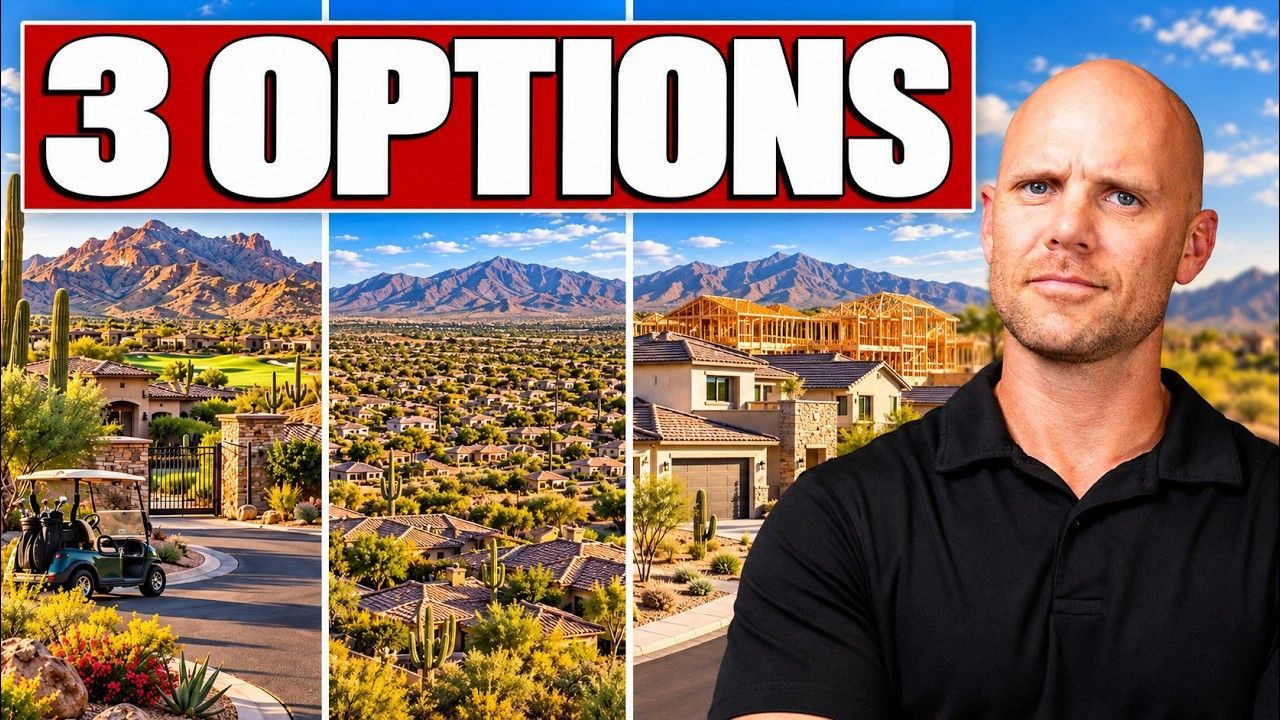
I'm Rich and my family's lived in Tucson for over 150 years. I've worked professionally in real estate as both a real estate appraiser and a realtor for over 15 years, and in that time I've helped a couple thousand people just like you buy or sell a home here. In this blog I'm going to give you a masterclass on the current Tucson market. We're going to break down exactly why sellers are getting desperate, how these trends differ across key areas like Oro Valley, Marana, Catalina Foothills, Vail, Sahuarita, and Central Midtown, and most importantly how you can leverage this shift to avoid costly mistakes and still find tremendous value.
I went back and ran the numbers from the buyers we've helped over the last year. My team and I have helped over 30 buyers purchase homes in Tucson, saving them an average of 5.5% off of the original list price. Based on our average sales price of about $650,000, that's $35,000 per buyer. But that's only half the story. We also negotiated over $250,000 in seller concessions or seller credits for those buyers, and that money went directly towards their closing costs, rate buydowns, putting money directly back into their pocket so they could buy things like furniture and landscaping after they move in. That's the power of a local expert on your side, and today I'm sharing that expertise with you.
Table of Contents
- What the Data Really Says: Tucson Market Cooldown
- Why Sellers Are Cutting Prices: The Perfect Storm
- Oro Valley: New Build Pressure in Northwest Tucson
- Marana: High Demand Meets Fierce Competition
- Catalina Foothills: Luxury Market Faces Reality
- Vail: Best Values in Southeast Tucson
- Sahuarita: Where Your Dollar Stretches Further
- Central Midtown: Insulated but Not Immune
- The New Build Advantage: A Side-by-Side Breakdown
- Which Area Is Right for You: Navigating Tucson's Cooldown
- Final Thoughts: How to Win in This Market
What the Data Really Says: Tucson Market Cooldown
Let's get into the data because numbers don't lie. The story of the current Tucson market is one of rebalancing, and it's critical to understand that there are nuances. The big picture is a cooldown is definitely here.
First I want to be clear: the frantic offer-over-asking market of the last few years is over. We are in a balanced and in many ways a buyer-friendly market. It's not a crash, but it is a significant cooldown and it's putting immense pressure on sellers.
The median sale price in Tucson is now $321,000, which is about a 5.4% drop from this time last year. I know that number might not sound huge, but on a $400,000 home that's a $21,600 difference in one single year. On top of that, homes are taking longer to sell. The average home is now on the market for about 61 days, many of them taking up to 70 days or even more to find a buyer. This is a huge change from when just a couple years ago homes were literally flying off the market in a weekend. Time is a buyer's best friend in this market, and it can be a seller's worst nightmare.
There are fewer homes selling. The total number of homes sold is down 9% compared to last year. Fewer transactions means more competition among sellers for a smaller pool of buyers. While the market isn't flooded with inventory, our inventory has been steadily climbing. If you look at the data at any point in time, right now it's indicating we're just below what would be considered a balanced market. Six months of inventory would be considered a balanced market, and we are right below that at the time I'm making this blog.
This is significant because it moves us out of a seller's market and into balanced territory where buyers have more options. They can be more selective. They don't have to waive inspections or appraisal contingencies. They can take their time to compare properties and negotiate from a position of strength. This is absolutely a factor we talk with our sellers and our buyer clients about on a regular basis, because this is what you can't Google. This is what Zillow won't tell you: the actual negotiations, who is commanding the negotiation, how you navigate that, and how you really operate in the market of today.
Why Sellers Are Cutting Prices: The Perfect Storm
So why are sellers getting so desperate that nearly half of them are dropping their price? It's a perfect storm of factors.
First is the great miscalculation and a big change in seller psychology. Many sellers are emotionally and even financially anchored to the peak prices that we saw in 2022 or even early 2023. They saw their neighbor's home sell for an astronomical price and they assume they can get the same. They're listing way too high, and the market is punishing them for it. After weeks, sometimes months with no offers and in some cases no showings, the carrying costs, mortgage, taxes, insurance, and to be honest with you just the day-to-day of keeping the house in a condition that is ready for a showing starts to add up and starts to become overwhelming. That's when panic sets in and they're really forced to make a cut.
The other factor we have to throw in here is the new build competition. This is the silent killer for resales, and this is a huge factor in Tucson that many people underestimate. We have over 100 new build communities all over Tucson and the greater Tucson area, and the builders are the canary in the coal mine for market shifts. They have shareholders to answer to and quarterly numbers to hit. They can't afford to have sitting inventory. Oftentimes the sitting inventory can be tens of millions of dollars.
Right now builders are offering some of the most massive incentives I've seen in my career, things we haven't seen in years, decades even. We're talking about mortgage rate buydowns as low as 2.99% on select quick move-in homes, tens of thousands of dollars in closing credits, and free upgrades like pools, landscaping, appliances, blinds, and more. Think about it from a buyer's perspective: would you rather buy a 10-year-old resale home with a 6.5% interest rate or a brand new energy-efficient home with a 4% interest rate for a similar price? That's a huge difference. That's usually a difference of hundreds, sometimes even thousands of dollars a month. Resale sellers simply can't compete with that unless they do a significant price drop.
Oro Valley: New Build Pressure in Northwest Tucson
Oro Valley has historically been one of the fastest growing and most high-demand areas in Tucson. Located in the northwest part of the metro, this area has a high concentration of new builds and a lot of homes built in the last 5 to 15 years.
The competition here is fierce. Resale sellers are definitely feeling the pressure from builders and are often willing to negotiate, especially if their home lacks the latest design features. When you're looking at a resale home in Oro Valley that was built 10 or 15 years ago, you're competing directly against brand new homes with open floor plans, energy-efficient windows, smart home technology, and builder incentives that can drop your monthly payment by hundreds of dollars.
This is creating real opportunity for buyers who know how to position their offers. If you find a resale home in Oro Valley that's been on the market for 45 days or more, that seller is starting to scratch their head and think about how serious they are. If they are serious, they need to start making adjustments. And if they do get an offer, they're going to take it very seriously.
For buyers relocating to Tucson, Oro Valley offers a lot: local schools, newer infrastructure, shopping and dining options, and proximity to the Catalina Mountains. But you need to understand that the resale market here is under significant pressure from new construction. That pressure is your leverage. Don't be afraid to make an offer that reflects the reality of what a buyer can get brand new down the street.
Marana: High Demand Meets Fierce Competition
Just like Oro Valley, Marana has historically been one of the fastest growing and most high-demand areas in Tucson. Also located in the northwest, Marana has a high concentration of new builds and many homes built in the last 5 to 15 years.
The story here is nearly identical to Oro Valley: the competition is fierce, and resale sellers are feeling the pressure from builders. They are often willing to negotiate, especially if their home lacks the latest design features. When you're touring a resale home in Marana, you're not just competing against other resale listings. You're competing against builders who are offering rate buydowns, closing cost credits, and free upgrades that can fundamentally change the affordability equation.
Marana offers a similar lifestyle to Oro Valley with newer communities, good access to shopping and schools, and a growing sense of place. But the market dynamics are the same: resale sellers who are anchored to 2022 or 2023 prices are being punished by the market. After weeks or months with no offers, they're forced to make cuts.
If you're considering Marana, expand your search criteria. Don't just look at new listings. Use the MLS features to find homes that have been on the market for 45 days or more. These are prime targets. We talk with our buyers about this constantly, especially when we have a better idea of exactly what they're looking for. We will intentionally filter by homes that have been on the market for 45 to 60 days because we know statistically and from our experience that is the time at which sellers start to think, man, how serious are we? And if we are serious, we need to start making some adjustments.
Catalina Foothills: Luxury Market Faces Reality
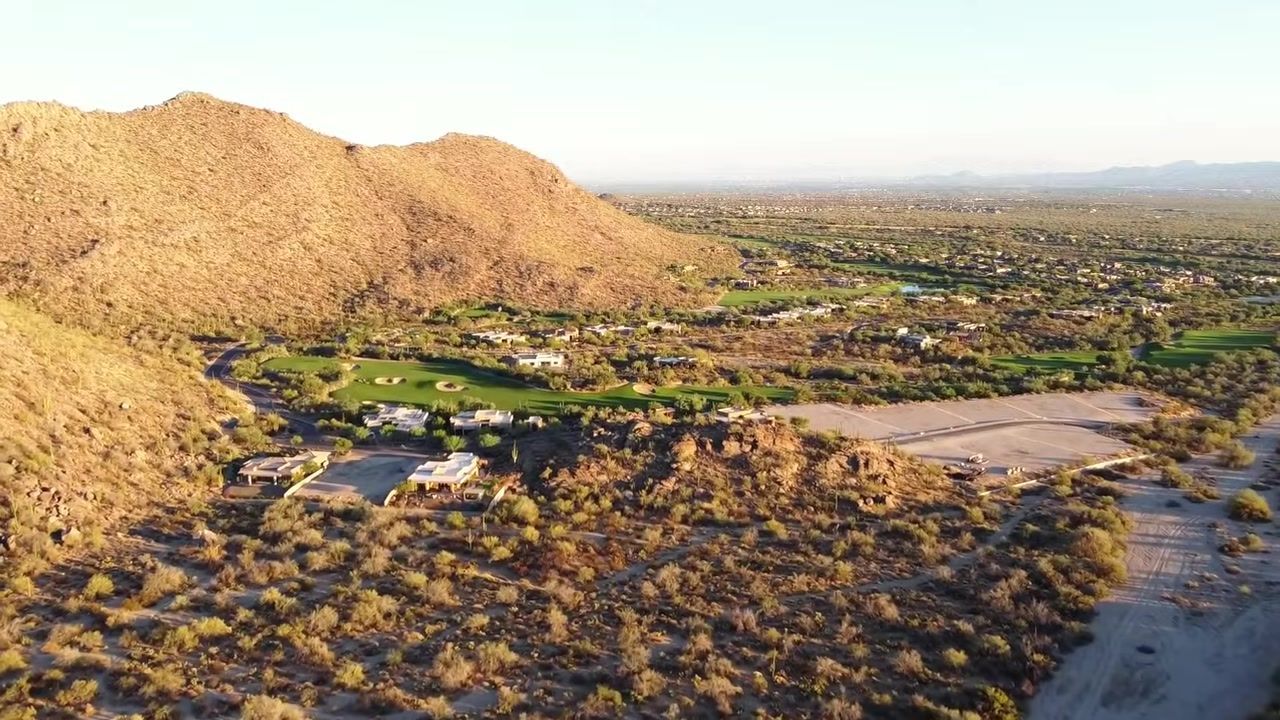
The Catalina Foothills is a premium established area with very little new construction. There just simply isn't a whole lot of land left that hasn't already been built on. You'd think sellers here would be immune to the market cooldown, but they're not.
We're seeing price reductions on homes that are dated or haven't been updated. Buyers at this price point are discretionary, so they have time to wait. They know what they want, they've seen it, they are willing to wait for it, and they want value. If a home needs a $100,000 kitchen remodel, sellers have to price that in.
The Catalina Foothills has always been one of Tucson's most desirable addresses, with stunning mountain views, established landscaping, larger lots, and proximity to hiking and outdoor recreation. But the luxury market is not immune to the broader cooldown. Buyers at this level are sophisticated. They're comparing your home not just to other Foothills listings but to what they could get in Oro Valley or Marana for the same price with zero deferred maintenance.
If you're looking in the Foothills, this is a great time to find a home with good bones that needs cosmetic updates. That's where you can build sweat equity. Look for homes that have been on the market for a while and analyze the price history. Multiple price reductions are a clear sign that the seller is motivated and chasing the market down. They're likely to be more receptive to an offer than a listing that has only been on the market for two weeks and hasn't done any price adjustments.
The key here is understanding that even in a premium market, time on market and condition matter. A dated Foothills home that's been sitting for 60 or 90 days is a negotiation opportunity, not a trophy property.
Vail: Best Values in Southeast Tucson
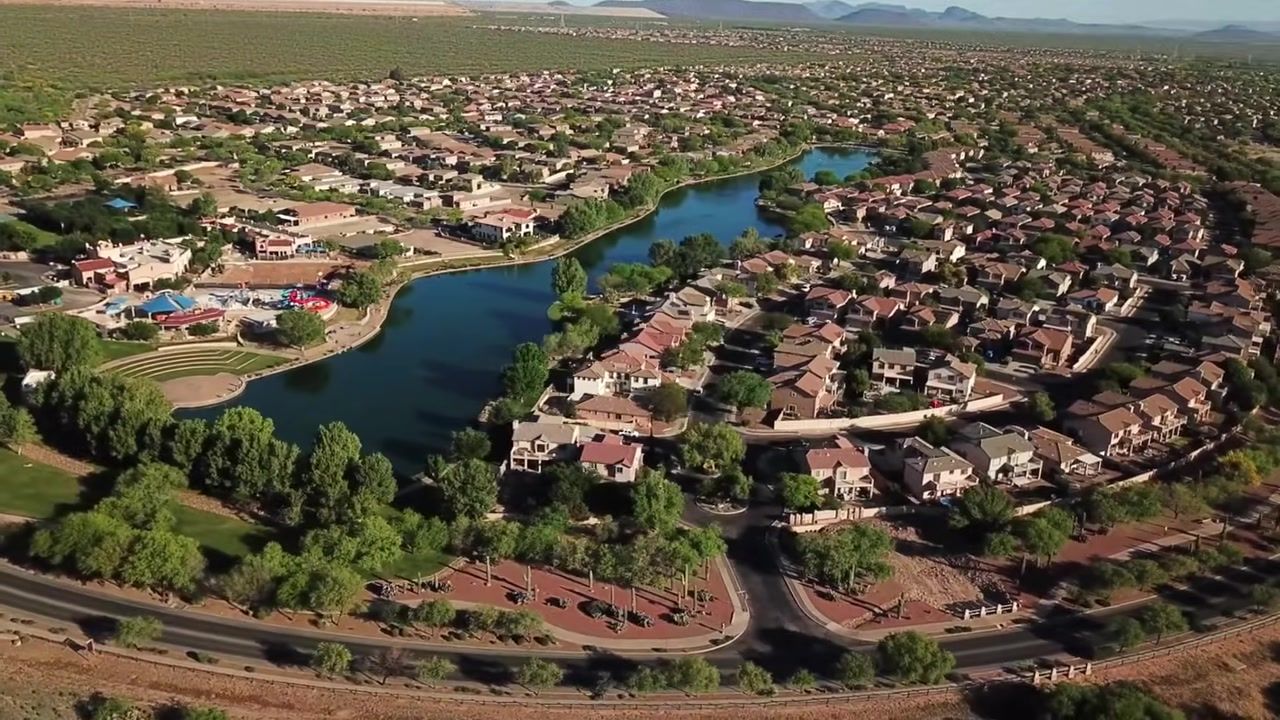
Vail is located in southeast Tucson and offers some of the most attractive price points in the metro. This is an area where your dollar stretches further, and right now you can find some of the best values if you're willing to be patient and negotiate.
Similar to Oro Valley and Marana, Vail is seeing a lot of new build competition. Builders are active here, and they're offering the same kinds of massive incentives: rate buydowns, closing cost credits, free upgrades. But because the price points in Vail are generally lower than the northwest, the monthly payment difference between a resale home and a new build with incentives can be even more dramatic.
For buyers relocating to Tucson, Vail offers a quieter, more rural feel while still being connected to the metro. You're trading some convenience for affordability and space. The trade-off is a longer commute if you work in central Tucson or downtown, but for buyers who prioritize value and don't mind the drive, Vail is worth a serious look.
The key to winning in Vail is understanding that resale sellers here are under the same pressure as everywhere else, but the price points make the negotiation even more impactful. Saving 5% on a $350,000 home is $17,500. Add in $8,500 in seller concessions and you're looking at over $25,000 in total savings. That's real money that can go toward furniture, landscaping, or paying down other debt.
Don't just look at new listings. Find homes that have been on the market for 45 days or more. Analyze the price history. Look for multiple price reductions. These are the sellers who are motivated and ready to negotiate.
Sahuarita: Where Your Dollar Stretches Further
Just like Vail, Sahuarita is located in southeast Tucson and offers some of the most attractive price points in the metro. This is another area where your dollar stretches further, and right now you can find some of the best values if you're willing to be patient and negotiate.
Sahuarita is also seeing significant new build competition. Builders are active here with the same kinds of massive incentives we're seeing across the metro. The story is the same: resale sellers are anchored to peak prices from 2022 or 2023, and the market is punishing them for it. After weeks or months with no offers, they're forced to make cuts.
For buyers relocating to Tucson, Sahuarita offers a similar value proposition to Vail: more space and affordability in exchange for a longer commute to central Tucson. Sahuarita has a strong sense of community with parks, trails, and residential amenities. It's a popular choice for buyers who want newer construction and local schools without paying Oro Valley or Marana prices.
The opportunity here is the same as Vail: find resale homes that have been on the market for 45 days or more, analyze the price history, and make an offer that reflects the reality of what a buyer can get brand new with builder incentives. The average home is selling about 2% below its final list price, but the real opportunity is in negotiating from the original list price. For the last 30 buyers my team and I have helped buy a house this year, we've been able to negotiate an average of 5.5% below the original listing price.
On an average sale price of about $650,000, that's an average savings of $35,000 per buyer. But in Sahuarita where price points are lower, that percentage still translates to meaningful savings. This is truly where having an experienced realtor and negotiator becomes critical.
Central Midtown: Insulated but Not Immune
Central Midtown areas are more insulated from new build pressure because they just don't have a whole lot of vacant land to build on. Their housing inventory is what it is, the housing area is built up there in Midtown.
However, we're still seeing price reductions on homes that have functional issues. For example, if the only way to the backyard is through a bedroom, or if you have to walk through one bedroom to get to another bedroom, those are functional issues that reduce value. Another one is road noise. A lot of these Central Midtown homes do have close proximity to a busy road, and that is a key feature. Being located on a busy street could be a reason that a price drop is going to be coming.
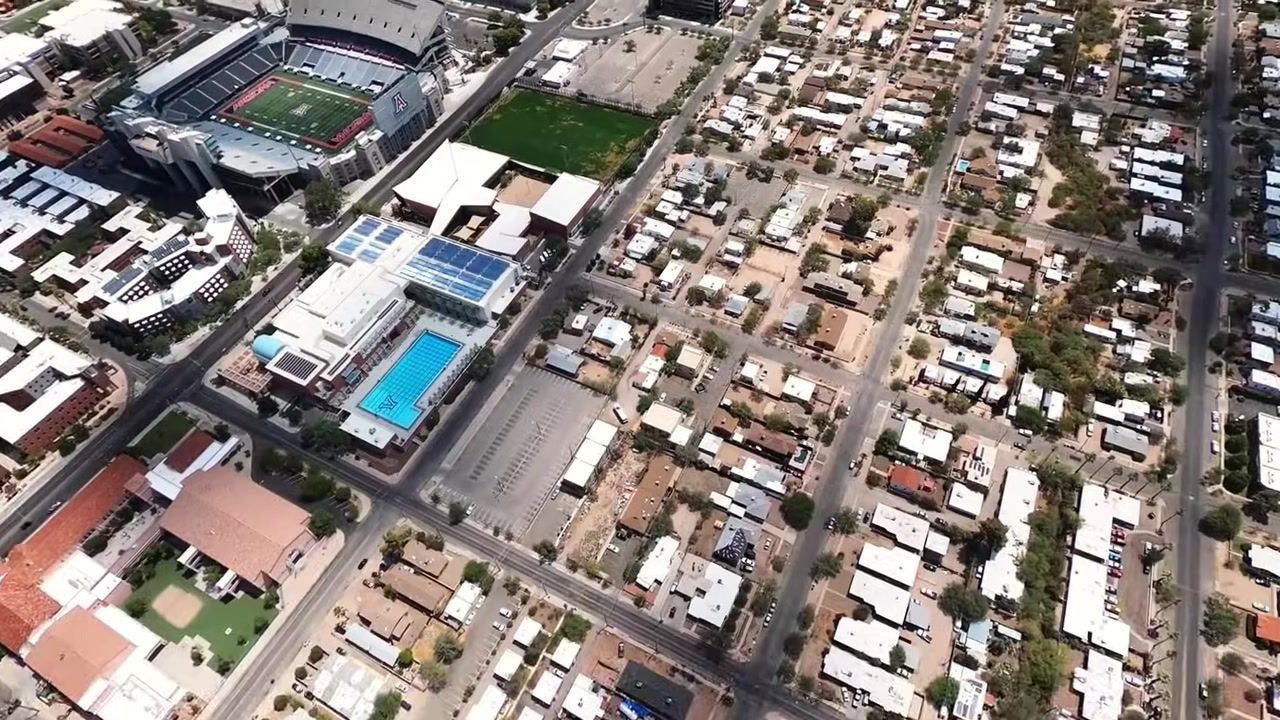
The key here is to find a home with good bones that needs cosmetic updates. That's where you can build sweat equity. Central Midtown offers walkability, proximity to the University of Arizona, established neighborhoods with mature trees and landscaping, and a more urban feel than the master-planned communities in the northwest or southeast. For buyers who value location and character over newness, Central Midtown can be a great choice.
But you need to be realistic about condition and functional layout. A home that requires you to walk through one bedroom to get to another is going to have a smaller buyer pool, and that means the seller needs to price accordingly. If they haven't, and the home has been sitting on the market for 60 or 90 days, that's your opportunity.
Look for homes with good bones, solid structure, good lot, desirable location, that need cosmetic updates like paint, flooring, kitchen counters, or bathroom fixtures. Those are updates you can do over time and build equity. Avoid homes with major functional issues unless you're getting a significant discount that justifies the hassle.
The New Build Advantage: A Side-by-Side Breakdown
I promised to show you the true cost of a new build and the mistake that can cost you tens of thousands of dollars. Let's break it down.
On the left we have a resale home listed at $450,000 with a 6.5% interest rate. Your principal and interest payment is roughly $2,844 per month. On the right we have a new build from a major builder, also listed at $450,000, but they're offering a 4.5% interest rate with their preferred lender. That same mortgage is now $2,280 per month.
That's $564 per month savings or $6,768 per year. To put that in perspective, that is a very nice trip to Europe, a great cruise in Mexico, RVing for a week or 10 days with the family across the US. That is a pretty incredible chunk of money that could go back in your pocket. I mean shoot, that could be an incredible amount of savings towards a backyard or paying off a car. There's a lot that could be done with that.
Over five years you'll save nearly $34,000 in payments alone, not to mention the lower utility bills and lack of immediate repair costs going with a new build. This is why resale sellers are being forced to drop their prices. They have to bridge the monthly payment gap.
I want to make sure that I'm clear: I am a supporter of resale homes. In fact I have bought several resale homes and I've bought new build homes. But the fact of the matter is that if I put myself in the shoes of a buyer I have to consider the very robust offer of a new build plus incentives compared to a resale home in today's market. There is a big gap in just the psychology of where a resale seller is, anchored both price and emotion in the past market, versus a builder who understands they've got sitting inventory and they need to sell it and are willing to recognize today's prices and incentives to help move those forward.
This is my honest perspective, not that I'm all about new builds or all about resales. I'm all about understanding where the market is today, understanding and uncovering those opportunities so that you can take advantage of those opportunities.
Which Area Is Right for You: Navigating Tucson's Cooldown
This cooldown isn't uniform. It's affecting different parts of Tucson in different ways, and understanding those differences is critical to making a smart decision.
Choose Oro Valley or Marana if you want newer infrastructure, local schools, and proximity to shopping and dining, and you're comfortable negotiating against new build competition. These areas offer a lot, but you need to be strategic about how you position your offers against builder incentives.
Choose Catalina Foothills if you want an established luxury address with mountain views and mature landscaping, and you're willing to invest in updates. The Foothills offers prestige and location, but you need to be realistic about condition and price homes with deferred maintenance accordingly.
Choose Vail or Sahuarita if you want the best value and your dollar to stretch further, and you don't mind a longer commute. These areas offer some of the most attractive price points in Tucson, and right now you can find real deals if you're patient and willing to negotiate.
Choose Central Midtown if you value walkability, character, and proximity to the University of Arizona, and you're willing to take on cosmetic updates. Central Midtown is more insulated from new build pressure, but you need to find homes with good bones and avoid major functional issues unless you're getting a significant discount.
The common thread across all of these areas is that time on market and price history are your best indicators of seller motivation. Don't just look at new listings. Find homes that have been on the market for 45 days or more. Analyze the price history. Look for multiple price reductions. These are the sellers who are motivated and ready to negotiate.
Final Thoughts: How to Win in This Market
Navigating this market takes local knowledge, a deep understanding of the data, and a very strategic approach to negotiation. It's not something you can just Google. It's not something you can effectively do just by browsing Zillow.
Here are some tactical tips that can help you through this process. First, expand your search criteria. Don't just look at new listings. Use the MLS features to find homes that have been on the market for 45 days or more. These are prime targets. We talk with our buyers about this constantly, especially when we have a better idea of exactly what they're looking for. We will intentionally filter by homes that have been on the market for 45 to 60 days because we know statistically and from our experience that is the time at which sellers start to scratch their head and think, man, how serious are we? And if we are serious, we need to start making some adjustments. And if we do get an offer, we're going to take it very seriously.
You can also analyze the price history. Look for listings with multiple price reductions because this is a clear sign that the seller is motivated and they are chasing the market down. They're likely to be more receptive to an offer than a listing that has only been on the market for two weeks and hasn't done any price adjustments.
Next, structure your offer strategically. When people hire us, we talk with them in the initial portion of our consultation about strategically positioning offers and what to expect coming into the market of today. And then again once we find a house, right before we submit the offer, we piece all of the intel together and everything about that specific home in that moment to be able to iron out the final strategy of our offer.
The average home is selling about 2% below its final list price, but that's just average. The real opportunity is in negotiating from the original list price. As I mentioned, for the last 30 buyers my team and I have helped buy a house this year, we've been able to negotiate an average of 5.5% below the original listing price. On an average sale price of about $650,000, that's an average savings of $35,000 per buyer. This is truly where having an experienced realtor and negotiator becomes critical.
We're also seeing sellers willing to pay concessions like buying rate down, interest rate buydown, or covering your closing costs, which can save you even more. In fact we successfully negotiated an average of $8,500 in seller concessions or seller credits for our buyer clients in the past 12 months. I know this because I spent the time going through and crunching all of the numbers. Took quite a bit of time to go through each of these. It's not exactly easy to just look at it all. You have to go find all of this information and calculate all this. But that's why I know these numbers.
The $50,000 mistake is falling in love with a house and ignoring the data. It's seeing a home that's been on the market for 90 days with three price cuts and still offering list price or maybe even above and not securing enough concessions to offset your cash that you may have to put in because you're afraid of offending the seller or you don't have someone representing you who is willing to step into that and present that offer wholeheartedly.
In this market, data is your leverage. A well-researched offer that is justified by the market data is not insulting, it's smart. Showing the seller that their home is priced 10% above comparable sales and that it's competing with new builds with much lower monthly payments, this is how you justify a lower offer and save yourself $20,000, $30,000, maybe even $50,000. And a lot of it has to do with how that information, how that story is conveyed to the seller or more often the agent that is representing the seller. And again that is a key where if you are not familiar with that process, that is why it really pays to be able to hire the professionals that are going to be able to have that conversation, lay that foundation, and ensure that this process is set into motion.
If you're thinking about moving to Tucson and you want to make sure you're not leaving money on the table, we can help. We can create a custom list of homes for you that flag properties with recent price drops, long days on market, or other signs of seller motivation. We do this all the time for our buyers relocating within Tucson and many of which relocating from out of state. We can also do a side-by-side analysis of resale homes and new build options to see what makes the most sense for your financial goals. It's a no-pressure service, just helpful insight to get you started.
When you add up the price reductions and the seller concessions my team have saved our 30 buyers in the last 12 months, it's over $1.3 million this year alone. That's an average of nearly $44,000 per buyer, and I want to help you achieve the same success. Call/text me at 520-639-9117 or book a FREE consultation here. I'd love to help you make a smart and confident move to Tucson.
FAQ
Is now a good time to buy a home in Tucson?
Yes, if you know how to navigate the market. We're in a balanced and in many ways buyer-friendly market. The frantic offer-over-asking days are over. Homes are taking longer to sell, inventory is rising, and nearly 43% of sellers are cutting their prices. If you're strategic about targeting homes that have been on the market for 45 days or more and you negotiate from the original list price, you can save tens of thousands of dollars.
How much can I really save by negotiating in this market?
For the last 30 buyers my team and I have helped this year, we've been able to negotiate an average of 5.5% below the original listing price. On an average sale price of about $650,000, that's $35,000 per buyer. We've also negotiated an average of $8,500 in seller concessions per buyer. When you add it all up, that's over $1.3 million in total savings for our 30 buyers in the past 12 months, or an average of nearly $44,000 per buyer.
Should I buy a new build or a resale home in Tucson?
It depends on your priorities and the numbers. Right now builders are offering massive incentives including rate buydowns as low as 2.99%, tens of thousands in closing credits, and free upgrades. A new build at $450,000 with a 4.5% rate costs $2,280 per month versus a resale at 6.5% costing $2,844 per month. That's $564 per month savings or nearly $34,000 over five years. Resale sellers have to bridge that monthly payment gap with price cuts, which creates opportunity. I'm a supporter of both, but you need to run the numbers and understand the trade-offs.
Which Tucson area offers the best value right now?
Vail and Sahuarita in southeast Tucson offer some of the most attractive price points and best values if you're willing to be patient and negotiate. Your dollar stretches further there, and you can find real deals on resale homes that are competing with new build incentives. Oro Valley and Marana in the northwest offer newer infrastructure and local schools but are under fierce pressure from new builds. Central Midtown is more insulated from new build competition but you need to find homes with good bones that need cosmetic updates.
What should I look for when searching for a home in Tucson?
Expand your search criteria beyond new listings. Use the MLS to find homes that have been on the market for 45 days or more, these are prime negotiation targets. Analyze the price history and look for multiple price reductions, which signal a motivated seller. Compare resale homes to new build options with incentives to understand the true monthly payment difference. And work with a local expert who can help you structure an offer that's justified by market data, not emotion.
How do I know if a seller is motivated to negotiate?
Time on market is your best indicator. Homes that have been listed for 45 days or more are prime targets. Multiple price reductions are a clear sign the seller is chasing the market down and will be more receptive to an offer. The average home is selling about 2% below its final list price, but the real opportunity is negotiating from the original list price. Sellers who are anchored to 2022 or 2023 peak prices are being punished by the market, and after weeks or months with no offers the carrying costs start to add up and panic sets in.



Youtube Channel
Watch the latest with Enriched Homes
If you are considering a move to Tucson, we can assist you in navigating the various aspects of living in the city. Our experience encompasses a deep understanding of the local community, enabling us to help individuals and families find their ideal home. Whether you are planning your move now or in the future, feel free to contact us for guidance and support throughout your relocation process. We look forward to assisting you.

Enriched Homes is a Tucson real estate agency specializing in new construction. Rich Jacome, a Certified Appraiser and Realtor with over 2,000 transactions, is dedicated to helping clients achieve their real estate goals. A Tucson native, Rich has deep community ties and is also a committed investor and business coach, advocating for continual growth. Enriched Homes focuses on delivering exceptional service, and Rich's unmatched knowledge of the local market drives him to go the extra mile for clients.