
Ranking EVERY Tucson Neighborhood (Worst to Best)
Ranking EVERY Tucson Neighborhood (Worst to Best)
Tucson isn't one market. It's five distinct lifestyle tiers stacked on top of each other, and most people moving here have no idea which one they're shopping until they've already made an offer. I've watched buyers pick the wrong tier and spend the next three years wishing they'd understood the trade-offs before they signed. The difference between a $250,000 starter home on the south side and a $900,000 custom build in the Catalina Foothills isn't just price. It's commute time, school access, HOA rules, views, walkability, and whether your driveway feels like a ski slope.
This ranking covers every major Tucson neighborhood by price point, amenities, and the lifestyle each one delivers. I'm not here to tell you where you should live. I'm here to show you what each tier actually offers so you can make a decision that fits your budget, your priorities, and how you want to spend your time when you're not at work. Some of these areas are incredible values if you know what you're getting. Others look great on Zillow and turn into regret six months later when you realize what you gave up.
My family has been in Tucson for over 150 years. I've sold homes in every corner of this city, and I've seen what works and what doesn't for people relocating here. This isn't a generic listicle. It's a breakdown of the nuanced details most agents skip: historic home quirks, HOA myths, steep driveways you didn't see coming, and which communities deliver world-class views without the California attitude. Let's walk through all five tiers.
Table of Contents
Tier 5: Entry-Level and Budget-Conscious Areas
Tier 5 is where first-time buyers and investors start. These are the neighborhoods where you can still find a house under $300,000, sometimes under $250,000 if you're patient and willing to compromise on condition or location. The trade-off is usually distance from central Tucson, older infrastructure, and fewer walkable amenities. You're not getting a resort-style community here. You're getting a roof, a yard, and a mortgage payment that doesn't eat your entire paycheck.
The south side and parts of the west side fall into this tier. These areas have seen growth over the past decade, but they're still catching up on retail, dining, and parks. If you work on the south side or don't mind a longer commute, Tier 5 can be a smart entry point. You build equity while you figure out where you want to land long-term. The mistake I see people make is buying here and expecting Tier 3 amenities. You won't find a Whole Foods or a top-ranked school district in most of these neighborhoods. What you will find is space, affordability, and a chance to get into the market without draining your savings.
Some buyers love Tier 5 because it's unpretentious. No HOA telling you what color to paint your mailbox. No $200-a-month dues for a pool you'll never use. You can park your truck in the driveway, let your dog run in the yard, and not worry about a neighbor filing a complaint because your grass is two inches too tall. If that sounds like freedom to you, Tier 5 might be exactly where you want to be. Just know what you're signing up for: longer drives to amenities, older homes that might need work, and resale that depends heavily on how the broader market moves.
Tier 4: Urban Historic Neighborhoods
Tier 4 is the middle ground. You're spending $300,000 to $450,000, and you're getting more house, better location, or both compared to Tier 5. These neighborhoods are scattered across Tucson: parts of the east side, pockets of the northwest, and some areas closer to the University of Arizona. The trade-off is that you're still making compromises. Maybe the schools aren't top-tier, or the commute is longer than you'd like, or the home needs updates you weren't planning to budget for.
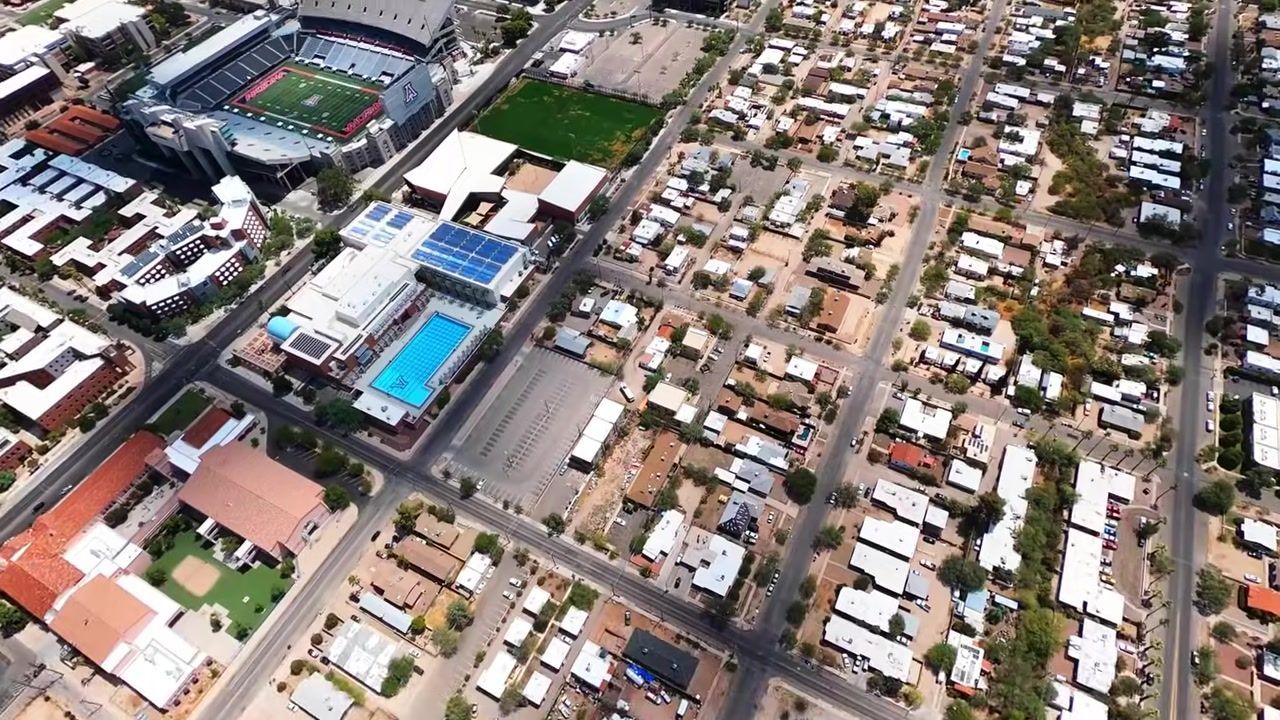
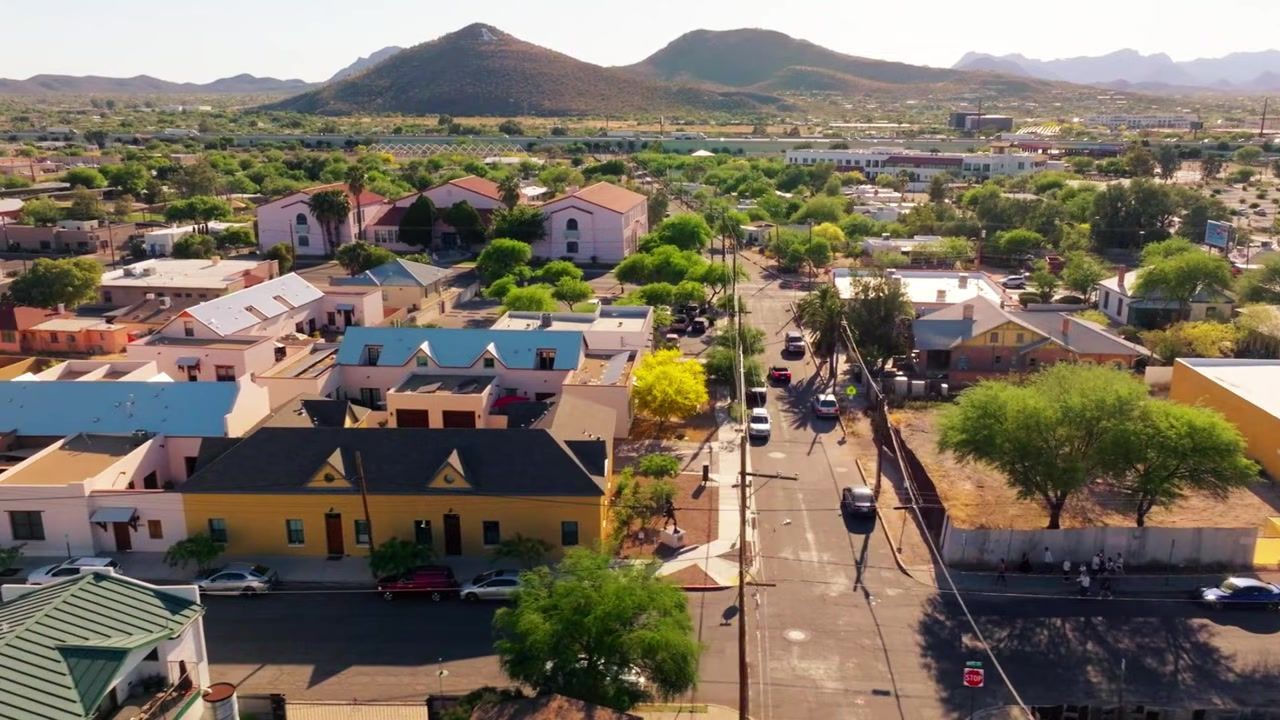
Historic neighborhoods near downtown fall into Tier 4. These areas have character, 1920s bungalows, tree-lined streets, walkable blocks, but they also come with quirks. Old plumbing, outdated electrical, no garage, and layouts that don't match how people live today. I've had clients fall in love with a Craftsman near the university and then realize they're looking at a $50,000 renovation just to make the kitchen functional. If you're into that project, great. If you thought you were buying a move-in-ready home, you're in for a surprise.
Tier 4 also includes some of the newer subdivisions on the far edges of Tucson. You get a modern floor plan, energy-efficient windows, and an HOA that keeps the neighborhood looking clean. The downside is you're 20 or 30 minutes from central Tucson, and the area around you is still building out. No grocery store within five miles. No coffee shop you can walk to. You're trading walkability and established infrastructure for a newer home and a lower price per square foot. For some buyers, that's the right call. For others, it's a daily frustration they didn't anticipate.
Schools and Commute in Tier 4
School quality in Tier 4 varies widely. Some neighborhoods feed into solid public schools. Others are in districts that struggle with funding and test scores. If schools are a priority, you need to verify current ratings with the district before you make an offer. Don't rely on what a listing agent tells you or what you see on a real estate website. Call the district, ask about class sizes and programs, and talk to parents who live there.
Commute times in Tier 4 can be manageable or brutal depending on where you work. If your job is near the airport or on the east side, some Tier 4 neighborhoods put you 15 minutes from the office. If you're commuting to the Catalina Foothills or the northwest side, you're looking at 30 to 40 minutes each way. That adds up over a year. Do the math on how much time you're willing to spend in the car before you decide a Tier 4 home is worth the savings.
Tier 3: Masterplanned Communities with Solid Amenities
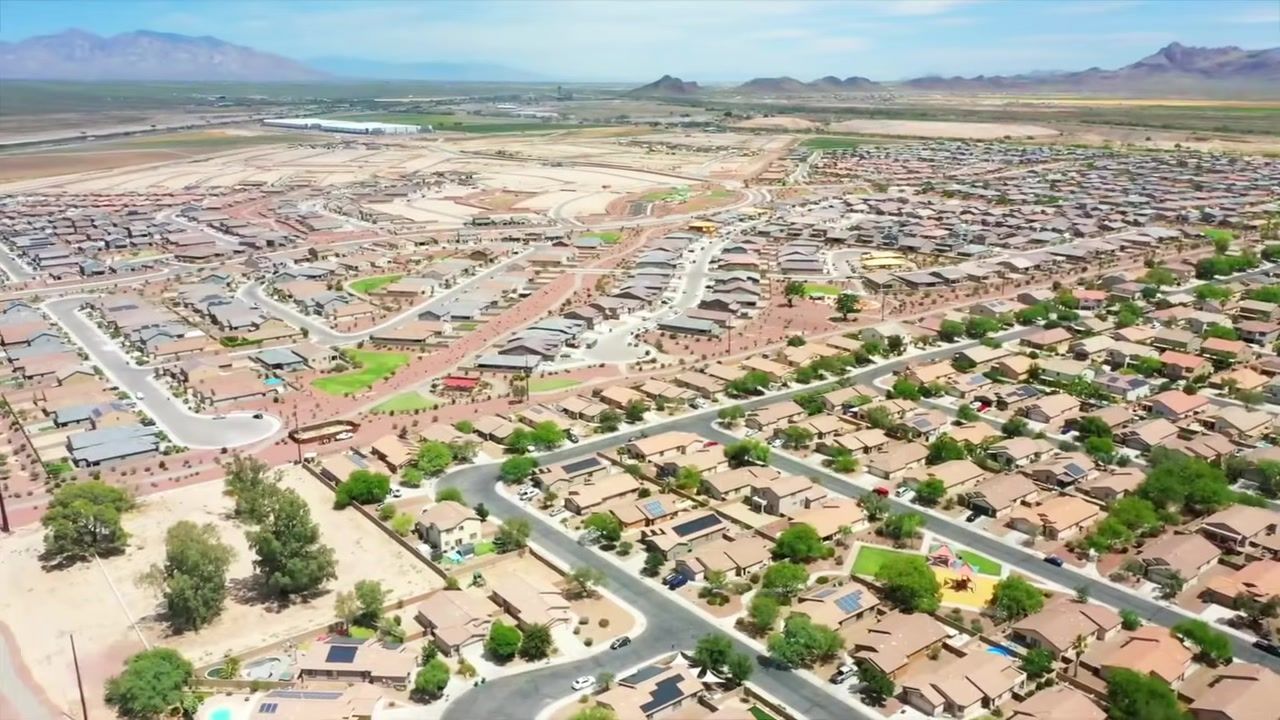
Tier 3 is where most relocating families land. You're spending $450,000 to $650,000, and you're getting an established neighborhood with parks, shopping, and schools that don't make you nervous. These are the areas where you can walk to a grocery store, find a decent restaurant within five miles, and not feel like you're living on the edge of town. The east side, parts of the northwest, and some neighborhoods near the Catalina Foothills fit into this tier.
HOAs in Tier 3 are common but not oppressive. You're paying $50 to $150 a month for landscaping, a community pool, and maybe a playground. The rules are reasonable: no RVs parked in the driveway, keep your yard maintained, don't paint your house neon green. Most people don't even notice the HOA until they try to add a second story or build a casita, and then they realize they need approval. If you follow the guidelines, it's not a big deal.
Tier 3 neighborhoods have been around long enough that the infrastructure is built out. You're not waiting for a grocery store to open or hoping a coffee shop moves in. The amenities are already there. The trade-off is that homes in Tier 3 are often 15 to 25 years old, so you're looking at original appliances, dated finishes, and maybe a roof that's nearing the end of its life. Budget for updates. Even if the house looks great in photos, you'll probably want to replace the carpet, repaint, and upgrade the kitchen within a few years.
Resale and Long-Term Value
Tier 3 holds its value better than Tier 4 or Tier 5 because the location is more desirable and the amenities are established. When you go to sell, you're not competing with brand-new construction or trying to convince buyers that the neighborhood is up-and-coming. It's already there. Buyers know what they're getting, and they're willing to pay for it. That stability matters if you're planning to stay in Tucson for five to ten years and want to build equity without taking on too much risk.
Tier 2: Premium Locations with Top Schools and Views
Tier 2 is where you start paying for views, top-ranked schools, and proximity to the best parts of Tucson. You're spending $650,000 to $900,000, and you're getting a home in the Catalina Foothills, Oro Valley, or one of the newer master-planned communities on the northwest side. These neighborhoods deliver the lifestyle most people picture when they think about moving to Arizona: mountain views, hiking trails out your back door, low humidity, and a sense of space that you don't get in Tier 3 or below.
Schools in Tier 2 are consistently strong. The Catalina Foothills School District is one of the top-rated in the state, and Oro Valley feeds into Amphitheater and Marana districts, both of which have solid reputations. If you have kids and education is a priority, Tier 2 gives you options that Tier 3 and Tier 4 can't match. You're also closer to amenities: Whole Foods, Trader Joe's, local restaurants, and shopping centers that don't feel like they're stuck in 1995.
The downside to Tier 2 is the terrain. A lot of these homes are built on hillsides, which means steep driveways, limited flat yard space, and views that come with a maintenance cost. If your driveway is a 15-degree incline, you're dealing with that every time it rains or when you're hauling groceries up from the car. Some buyers love the drama of a hillside lot. Others realize six months in that they hate backing out of their driveway every morning. Walk the property, drive the driveway, and think about how you'll actually use the space before you fall in love with the view.
HOAs and Community Rules in Tier 2
HOAs in Tier 2 are more involved than in Tier 3. You're paying $100 to $300 a month, and the association has opinions about everything from exterior paint colors to landscaping choices. Some communities require desert landscaping only. Others have architectural review boards that need to approve any changes to your home's exterior. If you're someone who wants to customize your property, read the HOA docs before you make an offer. I've seen buyers get frustrated when they realize they can't add a pergola or change their front door without submitting plans and waiting for approval.
Tier 1: Luxury Tucson Living
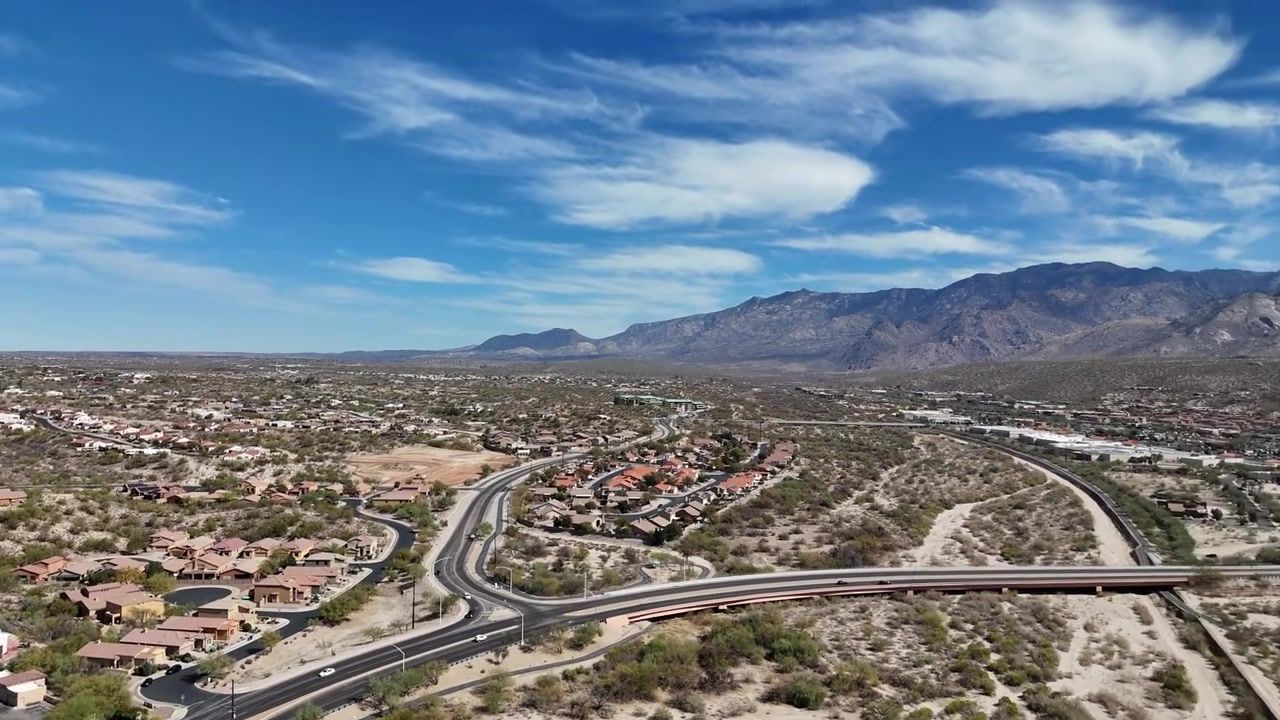
Tier 1 is custom builds, gated communities, and homes that start at $900,000 and go well past $2 million. These are the properties in the upper Catalina Foothills, Dove Mountain, and a few exclusive pockets near Sabino Canyon. You're getting world-class views, high-end finishes, and privacy that you can't find in the lower tiers. The lots are larger, the homes are architecturally distinct, and the neighborhoods are designed for people who want to live in Tucson without compromising on luxury.
The lifestyle in Tier 1 is different. You're not dealing with cookie-cutter floor plans or builder-grade cabinets. These homes are custom or semi-custom, which means you're getting features like chef's kitchens, resort-style pools, casitas, and outdoor living spaces that feel like a second home. The trade-off is maintenance. A 4,000-square-foot house with a pool, a three-car garage, and a half-acre lot requires upkeep. You're paying for landscaping, pool service, HVAC maintenance, and repairs that cost more because everything is higher-end.
Tier 1 also comes with a different kind of HOA. Some of these communities have strict rules about everything from holiday decorations to the type of vehicles you can park in your driveway. Others are more relaxed but still expect you to maintain your property to a certain standard. If you're buying in Tier 1, you're buying into a lifestyle that values aesthetics, privacy, and exclusivity. That's not a criticism. It's just what you're signing up for.
Who Tier 1 Is Built For
Tier 1 is built for buyers who want the best Tucson has to offer and have the budget to pay for it. You're not making trade-offs on location, views, or finishes. You're getting everything. The downside is that resale in Tier 1 can be slower because the buyer pool is smaller. When you're selling a $1.5 million home, you're waiting for the right buyer, and that can take months. If you're planning to stay long-term, that's fine. If you think you might relocate in three years, factor in the time it could take to sell.
Which Tier Is Right for You?
Picking the right tier comes down to three things: budget, priorities, and how long you're planning to stay. If you're buying your first home and need to keep your payment under $2,000 a month, Tier 5 or Tier 4 makes sense. You're building equity, and you can always move up later. If you have kids and schools are non-negotiable, Tier 2 or Tier 3 gives you the districts and amenities you need without stretching your budget into Tier 1.
If you're relocating from California or the Pacific Northwest and you're used to walkability, established neighborhoods, and access to good coffee, Tier 3 is probably your floor. Anything below that will feel like a compromise you're not ready to make. If you're retired, want views, and don't care about schools, Tier 2 or Tier 1 delivers the lifestyle without the noise and traffic of central Tucson.
Here's my take: don't buy based on what you think you should want. Buy based on how you actually live. If you work from home and spend most of your time in your house, a Tier 1 or Tier 2 property with great views and outdoor space makes sense. If you're out every night and you want to be close to restaurants, breweries, and downtown, Tier 3 or even Tier 4 near the university might be a better fit. The wrong tier isn't the cheapest one or the most expensive one. It's the one that doesn't match how you spend your time.
Final Thoughts and Next Steps
Tucson's five lifestyle tiers give you options, but they also require you to be honest about what you're willing to trade off. You can't get Tier 1 views on a Tier 4 budget, and you can't get Tier 5 affordability with Tier 2 schools. The buyers who do well here are the ones who know what matters most and make decisions based on that, not on what a listing looks like online.
If you're trying to figure out which tier fits your situation, take the Tucson Relocation Quiz on my website. It's free, it takes a few minutes, and it'll give you personalized insight based on your budget, priorities, and lifestyle. No pressure, no obligation. Just honest guidance from someone whose family has been in Tucson for over 150 years. If you want to talk through your options, fill out the contact form or give me a call at 520-639-9117. I'll walk you through what each tier actually delivers and help you avoid the mistakes I see people make when they're shopping from out of state.
FAQ: Tucson Neighborhood Questions Answered
What's the biggest difference between Tier 3 and Tier 4 neighborhoods?
Tier 3 neighborhoods are established with built-out amenities, solid schools, and walkable access to shopping and dining. Tier 4 areas are mid-market with trade-offs: you might get a newer home or a lower price, but you're giving up location, school quality, or proximity to central Tucson. Tier 3 holds its value better because the infrastructure is already there.
Are HOAs in Tier 2 worth the cost?
It depends on what you value. Tier 2 HOAs typically run $100 to $300 a month and cover landscaping, community amenities, and architectural standards. If you want a well-maintained neighborhood with mountain views and don't mind following design guidelines, the cost makes sense. If you want full control over your property, Tier 2 HOAs can feel restrictive.
Can I find a home under $300,000 in Tucson?
Yes, but you'll be shopping in Tier 5 neighborhoods, mostly on the south side or far west side. These areas offer affordability and space but come with longer commutes, older infrastructure, and fewer walkable amenities. If you're a first-time buyer or investor, Tier 5 can be a smart entry point as long as you know what you're getting.
Do Tier 1 homes take longer to sell?
Generally, yes. The buyer pool for homes over $900,000 is smaller, so it can take months to find the right buyer. If you're planning to stay long-term, that's not a concern. If you think you might relocate in a few years, factor in the time it could take to sell and the holding costs while you wait.
Which tier is best for families with school-age kids?
Tier 2 and Tier 3 are your best options. Tier 2 gives you access to top-ranked districts like Catalina Foothills, while Tier 3 offers solid schools in established neighborhoods with parks and family amenities. Verify current school ratings with the district before you buy, and consider commute times if both parents are working.
What should I know about buying a historic home in Tier 4?
Historic homes near downtown and the university have character and walkability, but they often need significant updates. Budget for plumbing, electrical, and kitchen renovations. If you're into restoration projects, these homes can be rewarding. If you want move-in-ready, look elsewhere in Tier 4 or move up to Tier 3.
Youtube Channel
Watch the latest with Enriched Homes
If you are considering a move to Tucson, we can assist you in navigating the various aspects of living in the city. Our experience encompasses a deep understanding of the local community, enabling us to help individuals and families find their ideal home. Whether you are planning your move now or in the future, feel free to contact us for guidance and support throughout your relocation process. We look forward to assisting you.

Enriched Homes is a Tucson real estate agency specializing in new construction. Rich Jacome, a Certified Appraiser and Realtor with over 2,000 transactions, is dedicated to helping clients achieve their real estate goals. A Tucson native, Rich has deep community ties and is also a committed investor and business coach, advocating for continual growth. Enriched Homes focuses on delivering exceptional service, and Rich's unmatched knowledge of the local market drives him to go the extra mile for clients.